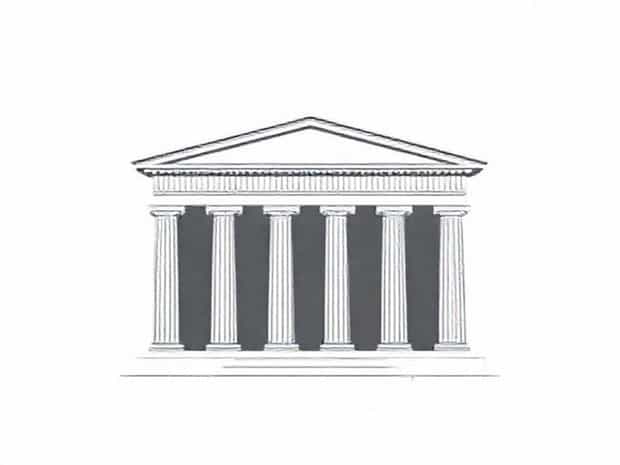
Johann Joachim Winckelmann ? Neoclassicism
Johann Joachim Winckelmann is often regarded as the father of art history and one of the most influential figures in shaping the neoclassicism movement. His writings in the eighteenth century transformed how scholars, artists, and collectors viewed classical antiquity, and his ideas became the intellectual foundation for neoclassical art and architecture across Europe. By combining historical study with aesthetic theory, Winckelmann gave classical art a new meaning that inspired generations of painters, sculptors, and architects. Understanding his role is essential to grasp how neoclassicism developed as both a style and a cultural movement.
Early Life and Intellectual Formation
Johann Joachim Winckelmann was born in 1717 in Stendal, a small town in Prussia. His humble background did not stop him from pursuing knowledge with passion. He studied theology, philosophy, and philology before turning his focus to art and antiquity. His interest in classical culture deepened during his studies in Germany, but it was his time in Italy that transformed him into a leading scholar of ancient art. Rome, with its wealth of classical ruins and art collections, became his intellectual home and the setting where he wrote his most famous works.
Key Influences in His Early Years
- Exposure to Greek and Roman texts during his education.
- Growing fascination with ancient ruins and artifacts.
- Encounters with wealthy patrons and collectors in Germany and Italy.
- Studies of Renaissance artists who were themselves inspired by antiquity.
The Birth of Art History
Winckelmann’s most important contribution was the establishment of art history as a discipline. Before him, art was often discussed in terms of individual artists or techniques, but he approached it systematically, analyzing the development of styles over time. He categorized ancient art into chronological periods and identified characteristics that defined each stage. His analytical method created a foundation for future scholars and helped elevate art history into a serious field of study.
Major Contributions
- Introduced the idea of studying art in historical sequences.
- Defined stages of Greek art, from archaic to classical and beyond.
- Connected art styles to the cultural and political environments of their times.
Winckelmann’s Aesthetic Philosophy
One of Winckelmann’s most enduring ideas was his belief in the superiority of Greek art. He argued that Greek sculpture and painting represented the highest ideals of beauty and harmony. His famous phrase, noble simplicity and quiet grandeur, became the hallmark of neoclassical aesthetics. By emphasizing balance, proportion, and restraint, he set a standard for artists seeking to revive classical ideals in their own work.
Central Ideas
- Greek art as the pinnacle of artistic achievement.
- Emphasis on simplicity, harmony, and natural beauty.
- Rejection of excessive ornamentation associated with baroque and rococo styles.
- Art as a reflection of moral and intellectual ideals.
Connection to Neoclassicism
Neoclassicism emerged in the mid-eighteenth century as a reaction against the decorative excess of baroque and rococo art. Winckelmann’s writings provided the intellectual framework for this movement. Artists and architects embraced his vision of Greek and Roman art as a model for modern creativity. Neoclassicism was not just a style but a cultural movement that sought to revive the values of antiquity, and Winckelmann’s scholarship was at its core.
How His Ideas Shaped Neoclassicism
- Inspired artists such as Jacques-Louis David, who used classical themes to promote ideals of virtue and civic duty.
- Influenced architects who revived Greek and Roman forms in public buildings.
- Encouraged collectors and patrons to value classical antiquities.
- Helped establish museums and collections as places of education and cultural pride.
Winckelmann’s Writings
His most famous works includeThoughts on the Imitation of Greek Works in Painting and Sculpture(1755) andHistory of the Art of Antiquity(1764). These books were groundbreaking because they did more than describe ancient art they explained why it was important and how it could guide modern creativity. His writing combined scholarly rigor with poetic descriptions, making it influential among both academics and practicing artists.
Impact on Art and Culture
Winckelmann’s influence spread across Europe and beyond. His celebration of Greek art resonated with Enlightenment thinkers who admired rationality, order, and universal ideals. The neoclassical style became dominant in painting, sculpture, architecture, and decorative arts. From Paris to London and from Berlin to Washington, neoclassical buildings and artworks carried his intellectual imprint. Even political movements such as the American and French Revolutions found inspiration in classical ideals that Winckelmann had helped revive.
Examples of Influence
- Jacques-Louis David’s neoclassical paintings, includingThe Oath of the Horatii.
- The neoclassical architecture of buildings like the Panthéon in Paris and the U.S. Capitol in Washington.
- The rise of classical sculpture as a model for academic art training.
Criticism and Limitations
Although Winckelmann’s contributions were groundbreaking, his ideas were not without criticism. Some later scholars argued that he idealized Greek art and overlooked its diversity. Others pointed out that he gave less attention to Roman art, dismissing it as derivative of Greek achievements. Despite these limitations, his vision continued to dominate discussions of art for centuries and still plays a role in how we understand neoclassicism today.
Legacy of Johann Joachim Winckelmann
Winckelmann’s legacy lies in his ability to bridge the past and present. By making Greek and Roman art relevant to eighteenth-century Europe, he reshaped cultural identity and artistic practice. His influence extended beyond the arts, touching philosophy, literature, and education. Modern art history, with its systematic methods and emphasis on cultural context, owes much to his pioneering efforts. The fact that neoclassicism spread so widely in the eighteenth and nineteenth centuries is a testament to his intellectual power.
Key Aspects of His Legacy
- Father of modern art history as an academic field.
- Champion of Greek art as a model of beauty and virtue.
- Intellectual guide for neoclassical artists and architects.
- Influence on cultural and political movements of the Enlightenment era.
Johann Joachim Winckelmann played a central role in defining neoclassicism and establishing art history as a discipline. His writings celebrated Greek art as the highest expression of human creativity and provided artists with principles of balance, harmony, and moral purpose. While some of his views may seem idealized today, his vision of noble simplicity and quiet grandeur remains one of the most enduring concepts in aesthetics. By inspiring generations of artists, architects, and thinkers, Winckelmann ensured that the classical past would continue to shape the cultural future. His work reminds us that art is not only about beauty but also about ideals, identity, and the search for timeless values.