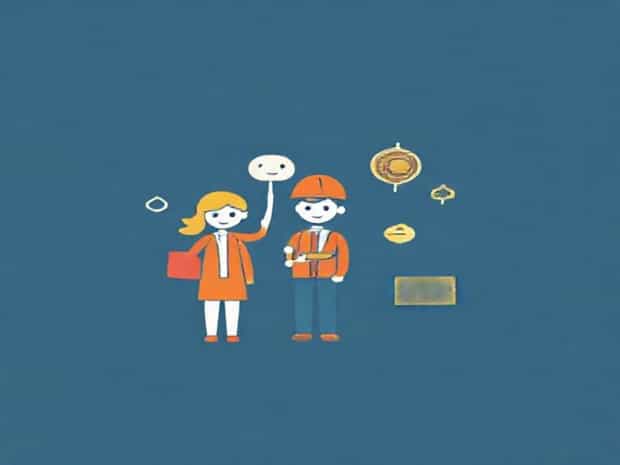
Jobs And Occupations For Kids
Children often hear adults talk about jobs, careers, and occupations, but they might not always understand what these words mean. Learning about jobs and occupations for kids is an important step in helping them connect with the real world, explore their interests, and imagine the possibilities for their future. Introducing these ideas in a simple and engaging way allows kids to see how different roles contribute to society and helps them appreciate the value of hard work and responsibility. This topic is also widely used in early education to develop vocabulary, communication skills, and life awareness. By exploring the world of jobs and occupations for kids, young learners can expand their curiosity and start dreaming about what they might want to be when they grow up.
Understanding the Concept of Jobs and Occupations
When we talk about jobs and occupations, we are describing the many ways people work to earn a living and serve the community. For kids, the explanation needs to be simple and easy to grasp. A job is a specific task or duty that someone does, like a teacher helping students or a doctor treating patients. An occupation is a broader term that refers to a type of work someone chooses to do as their profession. Explaining this difference can help children understand why some people say I have a job while others talk about their occupation. Both terms play an important role in helping kids build awareness about different career paths.
Why It Is Important for Kids to Learn About Jobs
Jobs and occupations for kids are more than just topics in school lessons. They help children understand the importance of teamwork and how different roles connect to each other. For example, children learn that farmers grow food, shopkeepers sell it, and cooks prepare meals from it. By learning about jobs, kids also start to build respect for all kinds of work, whether it is simple or complex. Early exposure to this knowledge can inspire them to think about their own goals and passions, even if those dreams change as they grow older.
Different Categories of Jobs Explained for Kids
To make the concept easier, jobs and occupations for kids can be grouped into categories. This helps children recognize patterns and remember them more clearly. Some broad categories include
- Community HelpersTeachers, doctors, nurses, police officers, and firefighters who serve society directly.
- Creative JobsArtists, writers, musicians, and actors who create art and entertainment.
- Science and Technology JobsScientists, engineers, astronauts, and inventors who solve problems and explore new ideas.
- Nature and Animal JobsFarmers, gardeners, veterinarians, and zookeepers who care for plants and animals.
- Service JobsShopkeepers, waiters, drivers, and cleaners who help everyday life run smoothly.
Fun Ways to Teach Kids About Jobs
Teaching jobs and occupations for kids should be fun and interactive. Instead of only reading about jobs, children can learn better through play and activities. Some effective methods include
- Role-play activitiesKids can act like doctors, teachers, or shopkeepers using simple props.
- StorytellingReading books or stories that describe characters with different jobs.
- Field tripsVisiting fire stations, farms, or bakeries so children see real workers in action.
- Art projectsDrawing or coloring pictures of occupations to reinforce vocabulary.
- Games and puzzlesMatching games or quizzes that link job names with their duties.
Jobs Kids Often Hear About
Some jobs and occupations are familiar to children because they encounter them daily in their surroundings. These include
- TeacherSomeone who helps children learn new skills in school.
- DoctorA person who treats sick people and keeps them healthy.
- Police OfficerA helper who keeps the community safe and protects people from harm.
- FarmerThe one who grows food that families eat every day.
- DriverSomeone who helps people travel from one place to another safely.
These everyday examples make it easy for kids to understand the meaning of jobs and occupations while building respect for those roles.
Encouraging Kids to Explore Their Interests
As children grow, they start showing preferences for certain activities. Some kids may love drawing, while others enjoy solving puzzles or building things. Connecting these hobbies with potential jobs helps kids imagine themselves in future roles. For example, a child who likes drawing could become an artist or designer, while a child who enjoys helping others might dream of becoming a nurse or teacher. Encouraging curiosity and supporting their interests plays a big role in shaping their ideas about jobs and occupations.
Positive Lessons Kids Learn from Occupations
When kids explore jobs and occupations, they also learn values that will help them in life. Some lessons include
- Understanding responsibility and hard work.
- Learning the importance of teamwork.
- Respecting people who work in different professions.
- Appreciating diversity in skills and talents.
- Recognizing that every job, big or small, is important.
Future Aspirations and Dreams
Jobs and occupations for kids also serve as a foundation for future aspirations. Children may dream about becoming astronauts, pilots, scientists, or famous singers. These dreams may change as they grow older, but encouraging their imagination is an essential step. Parents and teachers can guide them by providing knowledge, resources, and exposure to different fields without putting pressure on them to decide too early.
Understanding jobs and occupations for kids is an engaging and educational journey. It opens the door for children to appreciate the world around them, respect different roles in society, and start thinking about their own future paths. Through fun activities, simple explanations, and real-world exposure, kids can build both knowledge and inspiration. Whether it is learning about community helpers, creative professions, or scientific careers, the concept of jobs helps young minds grow with awareness and curiosity. By planting these seeds early, we help children dream bigger and prepare for the many possibilities that lie ahead in their lives.