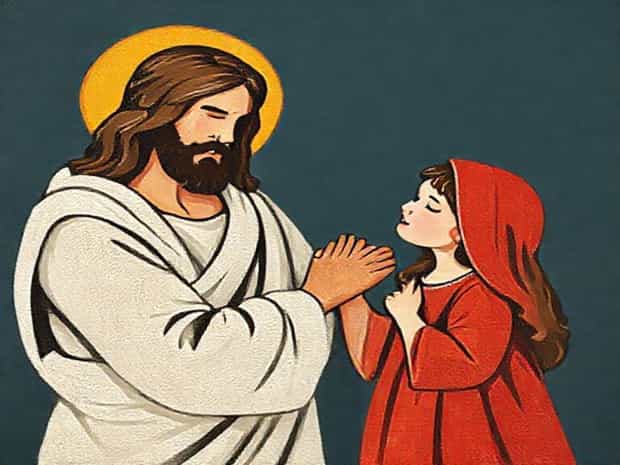
Jesus Painted By Little Girl
The story of Jesus painted by a little girl has captured the imagination of people worldwide. It represents not only a work of art but also a tale of faith, innocence, and inspiration. Many individuals are fascinated by how a child, with limited training but strong determination, could create an image of Jesus that resonates with millions of people. This subject combines art, spirituality, and cultural storytelling, making it a powerful topic to explore. Understanding how a young girl came to paint Jesus and why her work continues to attract attention helps us see how creativity and belief often intertwine in unexpected ways.
The Origin of the Painting
One of the most well-known stories about Jesus painted by a little girl involves Akiane Kramarik, a child prodigy artist from Illinois, who began drawing at the age of four. By the age of eight, she had completed her now-famous portrait of Jesus, titled Prince of Peace. She claimed her inspiration came from visions and dreams she experienced, which motivated her to capture them on canvas. The image she created became recognized around the world for its depth, detail, and emotional power.
The portrait stands out not only for its artistic skill but also because it was created by someone so young. Akiane’s work demonstrated how natural talent and inspiration can transcend age, leading many people to believe her painting carried spiritual significance.
The Story Behind Prince of Peace
The painting Prince of Peace is one of the most discussed artworks associated with Jesus painted by a little girl. Akiane explained that she had visions of a man she understood to be Jesus and felt a strong need to paint his likeness. With extraordinary patience, she worked on the details of his eyes, hair, and expression, trying to capture what she had seen in her visions.
Key Features of the Painting
- RealismDespite her age, Akiane’s Jesus painting displays advanced realism, especially in facial structure and expression.
- Spiritual AtmosphereThe portrait conveys peace and compassion, qualities often associated with Jesus.
- Color PaletteWarm tones highlight the face, while light contrasts give a sense of depth and divine presence.
Over time, Prince of Peace has become more than just a painting. For many, it symbolizes the innocence of a child’s faith and the possibility of divine inspiration reaching even the youngest hearts.
Public Reaction and Global Influence
The painting quickly gained recognition beyond Akiane’s local community. It was featured in media outlets, books, and discussions about spiritual art. The image became even more famous after being connected with the testimony of Colton Burpo, the boy whose near-death experience was described in the book and movie Heaven Is for Real. Colton identified Akiane’s portrait as resembling the Jesus he claimed to have seen in heaven. This connection fueled worldwide interest and gave the painting an almost iconic status.
For many believers, the portrait serves as a reminder of their faith. Others view it as an extraordinary achievement in child artistry. Regardless of perspective, the work has left a lasting impression in both religious and artistic communities.
The Role of Faith in the Painting
The theme of Jesus painted by a little girl resonates because it reflects a merging of innocence and faith. Children are often seen as symbols of purity, and the idea that a child could portray Jesus suggests honesty and authenticity in spiritual vision. Akiane herself spoke about how she felt guided by a divine presence during her creative process. Her family, though not religious at the time, later came to respect the depth of her conviction and her natural gift.
Spiritual Interpretations
- Some see the painting as proof that divine visions can be given to children.
- Others interpret it as a symbol of pure faith expressed through art.
- For many, it represents a universal image of peace and hope that transcends denominational boundaries.
The Artistic Legacy of the Painting
Beyond the spiritual context, the Jesus painting by a little girl is remarkable as an example of early talent. Akiane’s later works confirm that her abilities were not accidental but part of a lifelong dedication to art. Her paintings cover themes of nature, humanity, and divinity, but the portrait of Jesus remains her most famous piece. Museums, collectors, and individuals continue to show interest in her art, while reproductions of the painting are displayed in homes, churches, and institutions worldwide.
Why People Connect with the Painting
Art has the power to move people deeply, and when paired with themes of faith, it becomes even more impactful. The Jesus portrait resonates with viewers for several reasons
- UniversalityJesus is a figure known worldwide, and the painting provides a relatable image for many cultures.
- Child’s PerspectiveThe fact that it was created by a young girl makes it feel authentic and unpretentious.
- Emotional ExpressionThe compassionate gaze of Jesus in the painting evokes comfort and reassurance.
- Faith ConnectionFor believers, it serves as a visual representation of their devotion and spiritual imagination.
The Broader Theme of Children and Art
The fascination with Jesus painted by a little girl also reflects a broader appreciation for children’s creativity. Throughout history, stories of child prodigies in music, science, and art have amazed audiences. Akiane’s story fits into this tradition, reminding us that extraordinary gifts can appear in unexpected places. Her painting demonstrates how innocence and imagination can merge to produce something timeless and profound.
Encouraging Creativity in Children
Akiane’s story inspires parents, educators, and communities to nurture artistic expression in children. Giving young people the tools and encouragement to explore their talents can lead to incredible discoveries, not only in art but also in their confidence and sense of purpose.
Controversies and Discussions
Like many works associated with spirituality, the Jesus painting by a little girl has also sparked debate. Some critics question whether visions can inspire art in such a way, while others argue that the painting reflects extraordinary talent rather than divine intervention. Nonetheless, these discussions only add to the artwork’s significance, keeping it in the public eye and making it a subject of continuous exploration.
The Lasting Impact
Decades after it was painted, Prince of Peace still carries influence. Reproductions circulate widely, and Akiane’s name is often mentioned in discussions of child prodigies and spiritual art. The story continues to inspire not only Christians but also admirers of creativity and determination. The image of Jesus painted by a little girl represents the fusion of vision, talent, and childlike faith that speaks universally across cultures and generations.
The account of Jesus painted by a little girl is more than just a story about art. It is a narrative about inspiration, faith, and the extraordinary abilities that can come from youthful innocence. Whether viewed as a divine vision or as an example of rare artistic talent, the painting has become a global symbol of hope and devotion. Its impact shows how one child’s brushstrokes can touch millions of hearts and leave a permanent mark on the intersection of art and spirituality.