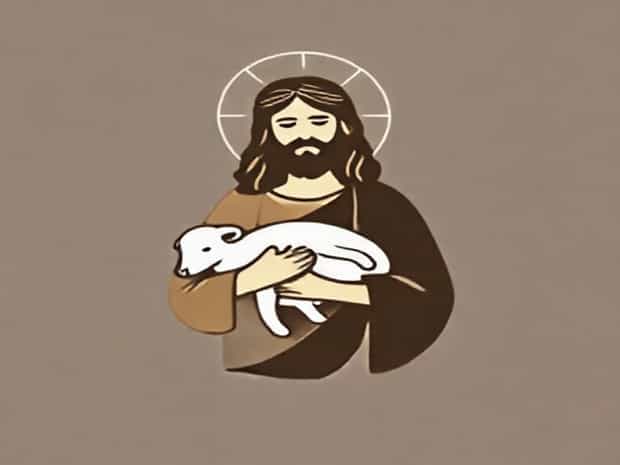
Jesus Holding A Lamb
The image of Jesus holding a lamb is one of the most enduring and beloved symbols in Christian art and theology. It conveys profound spiritual truths about care, protection, humility, and divine love. This depiction highlights Jesus’ role as the Good Shepherd, who seeks out the lost, protects the vulnerable, and offers guidance to His followers. The symbolism of the lamb represents innocence, purity, and the faithful who rely on God’s protection. Understanding the theological, historical, and spiritual significance of Jesus holding a lamb allows believers to appreciate the depth of God’s love and the intimate relationship between Christ and His followers.
The Biblical Basis for Jesus as the Good Shepherd
The image of Jesus holding a lamb draws heavily from scripture, where He is often referred to as the Good Shepherd. In John 1011, Jesus declares, I am the good shepherd. The good shepherd lays down his life for the sheep. This metaphor emphasizes care, responsibility, and sacrificial love. The lamb symbolizes the believer, innocent and often vulnerable, in need of guidance, protection, and nurturing. Jesus’ physical holding of the lamb in artistic depictions visually reinforces His commitment to safeguard and cherish His followers.
The Lamb as a Symbol
The lamb has multiple layers of symbolism in the Bible. It represents innocence, purity, and dependence, qualities that mirror the faithful who trust in God. Additionally, the lamb is a central image in the concept of sacrifice, foreshadowing Jesus’ ultimate sacrifice on the cross as the Lamb of God who takes away the sins of the world (John 129). By holding a lamb, Jesus embodies both protector and redeemer, illustrating the intimate care He provides and the spiritual rescue He offers to humanity.
Historical Context of the Imagery
The depiction of Jesus holding a lamb has roots in early Christian art, where shepherd imagery was commonly used to convey care, guidance, and protection. Early Christians often used the shepherd motif to symbolize Jesus’ leadership over His followers, particularly in times of persecution when overt symbols were avoided. Frescoes, mosaics, and later paintings frequently portrayed Jesus carrying a lamb on His shoulders, illustrating His readiness to seek and save the lost. This artistic representation reinforced theological teachings while offering a comforting visual for believers.
Artistic Interpretations
Artists throughout history have depicted Jesus holding a lamb in various styles, emphasizing different aspects of His character and ministry
- Medieval ArtFocused on divine authority and pastoral care, often showing Jesus in robes with the lamb cradled gently, symbolizing the spiritual protection of His flock.
- Renaissance ArtEmphasized naturalism and emotional connection, portraying Jesus tenderly holding a lamb, highlighting compassion and personal care.
- Modern InterpretationsOften present Jesus and the lamb in serene pastoral landscapes, reinforcing themes of peace, security, and divine guidance.
Theological Significance
Jesus holding a lamb communicates several theological truths central to Christianity. First, it emphasizes the personal relationship between Christ and believers. The act of holding the lamb shows intimacy, attention, and care, demonstrating that God values each individual. Second, it reinforces the concept of spiritual protection. Just as Jesus safeguards the lamb, He provides guidance, shelter, and rescue from spiritual dangers. Finally, it symbolizes humility and service; the shepherd bends down to care for the smallest and weakest, reflecting Christ’s call to serve others with love and compassion.
Lessons for Believers
The imagery of Jesus holding a lamb offers practical spiritual lessons for contemporary Christians
- Trust in Divine CareBelievers are encouraged to rely on Jesus for guidance and protection, knowing He values and seeks each follower.
- Emulate CompassionJust as Jesus cares for the lamb, Christians are called to show kindness, care, and protection toward the vulnerable and marginalized.
- Understanding SacrificeThe lamb reminds believers of Christ’s ultimate sacrifice, prompting gratitude and a deeper appreciation for redemption.
- Spiritual SecurityThe depiction reassures the faithful that God’s love is constant, providing spiritual and emotional security even in challenging times.
Psychological and Emotional Impact
Beyond theological significance, the image of Jesus holding a lamb resonates emotionally and psychologically with believers. It evokes feelings of comfort, safety, and peace. For children and adults alike, this imagery serves as a tangible representation of divine love and care. It can inspire hope, reduce anxiety, and foster a sense of being personally valued and protected by God. The gentle, nurturing portrayal encourages believers to approach faith with trust and reliance on divine guidance.
Jesus’ Role as Shepherd and Protector
The shepherd motif encapsulates leadership, protection, and guidance. Holding a lamb, Jesus embodies a shepherd who is vigilant and attentive, willing to carry the burden of those who are weak or lost. This image aligns with numerous biblical passages where Christ seeks out the lost, restores the fallen, and ensures the safety of His flock (Luke 154-7). It portrays a balance of authority and tenderness, showing that leadership in spiritual contexts involves care, responsibility, and compassion.
Symbolism in Contemporary Worship
Today, the image of Jesus holding a lamb remains prevalent in churches, religious education, and Christian media. It is used in sermons, Sunday school lessons, and devotional materials to communicate God’s protective and nurturing nature. This imagery helps believers of all ages understand complex theological concepts, making the abstract idea of divine care more relatable and visually meaningful. The symbolism continues to inspire worship, prayer, and reflection on the personal relationship with Christ.
Integration in Daily Life
Believers can apply the lessons from this imagery in practical ways
- Providing CareCaring for others in everyday life mirrors Jesus’ protective and nurturing example.
- Faith in GuidanceTrusting Jesus in decision-making and spiritual growth reflects reliance on divine wisdom.
- Spiritual ReflectionMeditating on the image can strengthen faith, promote peace, and reinforce the awareness of God’s presence.
The depiction of Jesus holding a lamb serves as a rich and multi-layered symbol within Christian theology. It communicates divine love, protection, humility, and the intimate relationship between Christ and His followers. The lamb represents innocence, purity, and dependence, while Jesus’ act of holding it reflects His commitment to guide, protect, and nurture humanity. Throughout history, this imagery has inspired art, devotion, and worship, offering believers comfort and spiritual insight.
For modern believers, the image provides enduring lessons in faith, compassion, and spiritual security. It reminds Christians to trust in divine care, emulate Christ’s compassion, and reflect on the significance of redemption. By meditating on the symbolism of Jesus holding a lamb, individuals are encouraged to deepen their relationship with Christ, understanding that His guidance and protection are both personal and transformative.
Ultimately, Jesus holding a lamb is more than a visual representation; it is a theological and spiritual statement. It portrays the balance of strength and gentleness, authority and compassion, and protection and intimacy. As a symbol, it continues to teach believers about the nature of God’s love, the responsibility of discipleship, and the importance of nurturing faith and care within the Christian community. The image remains timeless, offering both comfort and inspiration to all who seek a closer relationship with the Good Shepherd.