Is Vinyl Plank Flooring
Vinyl plank flooring has become one of the most popular flooring options in modern homes due to its versatility, durability, and affordability. Homeowners and designers alike are drawn to its realistic wood-like appearance, ease of maintenance, and wide range of colors and textures. Unlike traditional hardwood or laminate flooring, vinyl plank flooring provides a water-resistant alternative that can be installed in areas such as kitchens, bathrooms, and basements without the risk of warping or swelling. Understanding what vinyl plank flooring is, its benefits, installation methods, and maintenance requirements can help homeowners make an informed choice for their interior spaces.
What Is Vinyl Plank Flooring?
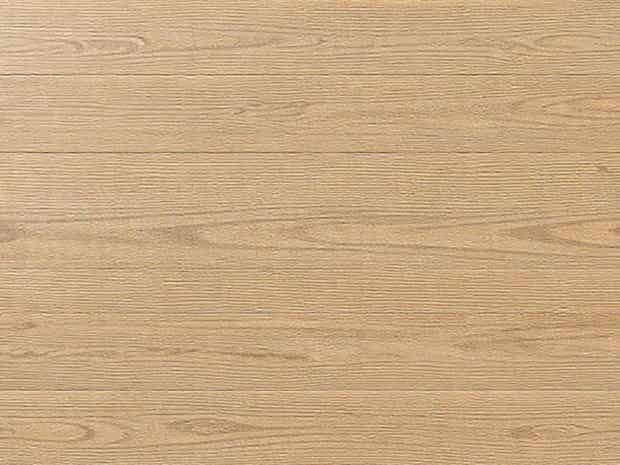
Vinyl plank flooring, often abbreviated as VPF, is a type of resilient flooring designed to mimic the look and feel of natural wood planks. It is made primarily from polyvinyl chloride (PVC), which provides a durable, water-resistant surface. The design layer on top of the plank is printed with realistic wood grains, textures, and patterns, giving it the appearance of hardwood without the associated cost or maintenance requirements. Some vinyl planks also feature a wear layer that protects against scratches, stains, and everyday wear and tear, making it a practical choice for high-traffic areas.
Composition of Vinyl Plank Flooring
Vinyl plank flooring is typically composed of several layers that work together to provide strength, durability, and realistic aesthetics
- Wear LayerThe top protective layer that resists scratches, stains, and fading. A thicker wear layer usually indicates higher durability.
- Design LayerPrinted with high-resolution images of wood, stone, or other textures to achieve a realistic look.
- Core LayerProvides stability and impact resistance. Options include solid vinyl, rigid core, and luxury vinyl plank (LVP) with enhanced thickness and waterproof properties.
- Backing LayerAdds stability and helps with installation, sometimes including underlayment for sound absorption and comfort.
Benefits of Vinyl Plank Flooring
Vinyl plank flooring offers numerous advantages that make it a preferred choice for both residential and commercial spaces. Its popularity stems from several key benefits
Durability and Water Resistance
Vinyl plank flooring is highly durable and resistant to scratches, dents, and stains. Its water-resistant or even fully waterproof nature makes it ideal for kitchens, bathrooms, laundry rooms, and basements, where moisture exposure could damage traditional wood flooring. Unlike hardwood, vinyl planks do not swell or warp when exposed to water.
Cost-Effective Alternative
Compared to natural hardwood or stone flooring, vinyl planks are more budget-friendly. Homeowners can achieve the look of high-end materials without paying for the expensive installation and maintenance associated with traditional flooring options.
Ease of Installation
Many vinyl plank floors feature click-lock or peel-and-stick installation systems, allowing for straightforward DIY installation. Floating floor methods do not require nails or glue, making installation faster and reducing labor costs. Additionally, vinyl planks can be installed over many existing subfloors, including concrete, plywood, or even existing tile.
Comfort and Noise Reduction
Vinyl planks often have a softer feel underfoot compared to hardwood or tile, which can reduce fatigue during extended periods of standing. Some planks include an attached underlayment that absorbs sound and provides additional cushioning, enhancing comfort in living spaces.
Types of Vinyl Plank Flooring
Vinyl plank flooring comes in several varieties, allowing homeowners to select the best option for their specific needs and budget
- Luxury Vinyl Plank (LVP)Offers a thicker wear layer, realistic textures, and enhanced durability. LVP is often waterproof and suitable for high-traffic areas.
- Rigid Core Vinyl PlankFeatures a solid core that provides added stability and can be installed over uneven subfloors.
- Peel-and-Stick Vinyl PlankEasy DIY option with adhesive backing. Ideal for smaller projects or temporary installations.
- Engineered Vinyl PlankCombines multiple layers for enhanced durability, often including a protective topcoat and enhanced core materials.
Installation Methods
Installing vinyl plank flooring can be a straightforward process, especially with modern click-lock systems. Common installation methods include
Floating Floor Installation
Click-lock planks snap together without the need for nails or glue. This method allows the floor to float above the subfloor, which can help accommodate minor subfloor imperfections and provide slight cushioning underfoot.
Glue-Down Installation
Some vinyl planks require adhesive application to secure them to the subfloor. Glue-down installation is often preferred in commercial settings for added stability and durability.
Peel-and-Stick Installation
Peel-and-stick vinyl planks feature a self-adhesive backing, making them ideal for quick installations in small spaces. This method requires a clean, level subfloor for best results.
Maintenance and Care
One of the most appealing aspects of vinyl plank flooring is its low maintenance. To keep the flooring looking its best
- Sweep or vacuum regularly to remove dirt and debris.
- Use a damp mop with mild cleaning solutions; avoid harsh chemicals that may damage the wear layer.
- Wipe up spills promptly to prevent staining or moisture issues.
- Place protective pads under furniture legs to avoid scratches.
- Consider area rugs in high-traffic zones to reduce wear.
Longevity
With proper care, vinyl plank flooring can last 10 to 20 years or more, depending on the quality of the product and the level of traffic in the home. Higher-end LVP products with thicker wear layers generally offer the longest lifespan and best performance.
Design and Aesthetic Options
Vinyl plank flooring offers a wide range of design possibilities. Homeowners can choose from
- Various wood-look finishes, including oak, maple, hickory, and walnut.
- Textured surfaces that replicate natural wood grains or distressed effects.
- Stone or ceramic looks for kitchens, bathrooms, or entryways.
- Wide or narrow planks to create traditional, rustic, or modern designs.
Vinyl plank flooring is a versatile and practical choice for homeowners seeking durability, water resistance, and a wide range of aesthetic options. Its realistic wood and stone appearances, combined with ease of installation and low maintenance, make it an appealing alternative to traditional hardwood or tile. Whether you are renovating a high-traffic kitchen, a basement, or a full home, vinyl plank flooring offers a cost-effective and stylish solution that balances beauty, functionality, and longevity. By understanding its composition, installation methods, and care requirements, homeowners can make informed decisions and enjoy a resilient flooring solution that enhances their living spaces for years to come.