Is Clapboard Siding Good
Clapboard siding is a popular exterior material for homes and buildings, admired for its classic appearance and functional benefits. Many homeowners and builders ask whether clapboard siding is good, considering factors such as durability, aesthetics, maintenance, and cost. This type of siding has been used for centuries, particularly in North America, and continues to be a trusted choice for those seeking a traditional, timeless look. Understanding the advantages and potential drawbacks of clapboard siding helps homeowners make informed decisions about their exterior design and long-term investment.
What is Clapboard Siding?
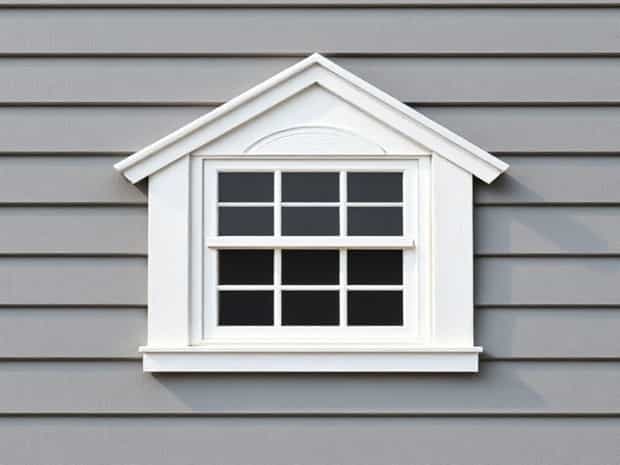
Clapboard siding, also known as bevel siding or lap siding, consists of long, narrow boards that are installed horizontally with each board overlapping the one below. Traditionally, these boards were made of wood, but modern clapboard siding can also be crafted from vinyl, fiber cement, or engineered wood. The design creates a distinctive, layered look that enhances a building’s architectural style and provides effective protection against weather elements.
Materials Used in Clapboard Siding
- WoodClassic and natural, wood clapboard siding offers a warm, authentic appearance but requires regular maintenance to prevent rot, warping, and insect damage.
- VinylLow-maintenance and cost-effective, vinyl clapboard siding resists moisture and fading but may lack the natural aesthetic of real wood.
- Fiber CementExtremely durable and fire-resistant, fiber cement clapboard siding mimics the look of wood while providing long-lasting protection.
- Engineered WoodManufactured to withstand moisture and pests better than natural wood, engineered wood clapboard combines visual appeal with improved durability.
Advantages of Clapboard Siding
Clapboard siding offers a range of benefits that make it a good choice for many homeowners. Its functional and aesthetic qualities contribute to both the value and appearance of a property.
Durability
When properly maintained, clapboard siding can last for decades. Wood clapboards require periodic painting or staining to prevent decay, while modern alternatives like fiber cement and vinyl can last even longer with minimal upkeep. The overlapping design helps protect the underlying structure from rain, snow, and wind, enhancing the home’s overall durability.
Aesthetic Appeal
Clapboard siding is renowned for its classic and timeless look. Its horizontal lines add depth and texture to a building, creating visual interest and complementing a variety of architectural styles, including colonial, farmhouse, and contemporary designs. Homeowners can choose from different materials, finishes, and paint colors to achieve the desired exterior appearance.
Energy Efficiency
Clapboard siding can improve a home’s energy efficiency, especially when paired with proper insulation. The overlapping design reduces air infiltration, while insulated materials like fiber cement or vinyl can further enhance thermal performance. This can result in lower heating and cooling costs and a more comfortable living environment.
Ease of Installation and Repair
Clapboard siding is relatively easy to install compared to some other exterior options. Individual boards can be replaced if damaged without needing to redo the entire siding. This modular approach simplifies maintenance and allows homeowners to address minor issues quickly and cost-effectively.
Potential Drawbacks of Clapboard Siding
While clapboard siding has many advantages, it is important to consider potential drawbacks before making a decision. Understanding these limitations helps homeowners choose the most suitable siding for their needs.
Maintenance Requirements
Wood clapboard siding requires regular maintenance, including painting, staining, and sealing, to protect against moisture and insect damage. Neglecting maintenance can lead to rot, warping, and other structural issues. Modern materials like vinyl and fiber cement reduce these concerns but may still require occasional cleaning to maintain their appearance.
Cost Considerations
The cost of clapboard siding varies depending on material and installation complexity. Wood clapboards tend to be more expensive due to both material and maintenance costs. Fiber cement is durable but also comes with higher upfront expenses. Vinyl offers a more budget-friendly alternative but may not provide the same authentic appearance as natural wood.
Weather Sensitivity
Wood clapboard siding is sensitive to weather conditions. Prolonged exposure to moisture or extreme temperatures can cause expansion, contraction, and cracking. Proper installation, sealing, and regular upkeep are essential to mitigate these risks. Choosing engineered or fiber cement alternatives can reduce weather-related concerns significantly.
Clapboard Siding and Property Value
Investing in clapboard siding can enhance a home’s curb appeal and increase its resale value. Potential buyers often appreciate the timeless look and quality construction associated with clapboard siding. Selecting durable materials and maintaining the exterior regularly can further improve the property’s overall marketability.
Environmental Considerations
Clapboard siding materials vary in their environmental impact. Wood is renewable but requires sustainable sourcing and maintenance. Vinyl is low-maintenance but less eco-friendly due to plastic content. Fiber cement offers a balance of durability and environmental performance, being made from natural materials with long lifespan benefits. Homeowners concerned with sustainability may choose materials based on their environmental footprint.
clapboard siding is a good option for homeowners seeking a combination of aesthetic appeal, durability, and functional benefits. Traditional wood clapboards offer a classic, natural look, while modern alternatives such as vinyl, fiber cement, and engineered wood provide low-maintenance and long-lasting options. Despite some potential drawbacks, including maintenance needs and cost considerations, the advantages of clapboard siding make it a popular choice for residential exteriors. By understanding its materials, installation, and upkeep requirements, homeowners can make informed decisions and enjoy the beauty and protection that clapboard siding provides for many years.