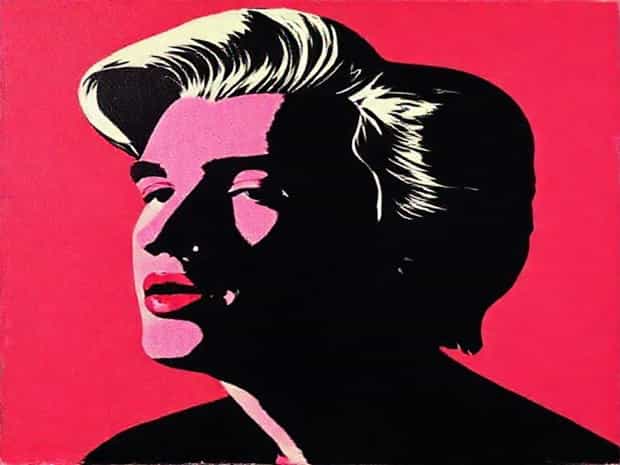
Famous Andy Warhol Paintings
Andy Warhol was one of the most influential artists of the 20th century, renowned for his pioneering role in the pop art movement. His work blurred the lines between commercial art and fine art, creating a visual language that captured the essence of consumer culture, celebrity, and mass media. Famous Andy Warhol paintings have become iconic symbols of modern art, celebrated for their bold colors, repetitive motifs, and commentary on contemporary society. Exploring these works reveals Warhol’s innovative techniques, cultural influence, and enduring legacy in the art world.
Early Career and Pop Art Influence
Warhol began his artistic journey as a commercial illustrator, producing advertisements, magazine covers, and designs for department stores. This background in commercial art heavily influenced his pop art style, characterized by the use of bright colors, repetition, and familiar imagery. In the early 1960s, Warhol transitioned to painting, creating works that elevated everyday objects and celebrities to the status of fine art. His approach challenged traditional notions of art and opened the door for future generations of contemporary artists.
Key Characteristics of Warhol’s Style
- Use of vivid, contrasting colors to create striking visual impact.
- Repetition of images to emphasize mass production and consumer culture.
- Incorporation of celebrities, commercial products, and cultural icons as subjects.
- Blurring the boundaries between commercial illustration and fine art.
- Innovative use of silkscreen printing to reproduce images consistently.
Campbell’s Soup Cans
One of Warhol’s most famous series, theCampbell’s Soup Canspaintings, debuted in 1962 and instantly became a symbol of pop art. The series features 32 canvases, each depicting a different flavor of Campbell’s soup in a simple, graphic style. This work challenged conventional ideas about what constituted art, elevating everyday consumer goods to the level of artistic subject matter. By using repetition and uniformity, Warhol commented on mass production and the homogenization of modern life.
Significance of the Series
- Transformed mundane objects into iconic art symbols.
- Highlighted the intersection of art, commerce, and consumer culture.
- Inspired debates about originality, reproduction, and artistic value.
- Popularized the pop art movement in the 1960s.
- Remains one of Warhol’s most recognizable and influential works.
Marilyn Monroe Portraits
Warhol’s portraits of Marilyn Monroe, created after her death in 1962, are among his most celebrated paintings. Using silkscreen printing, he produced multiple versions with varying color schemes, emphasizing both Monroe’s iconic status and the commodification of celebrity. These works reflect Warhol’s fascination with fame, mortality, and the media’s role in shaping public perception. The Marilyn series also exemplifies his ability to transform photographs into bold, expressive paintings that capture both glamour and tragedy.
Notable Features of the Marilyn Series
- Bright, unnatural colors that draw attention to the subject’s face.
- Repetition of images to convey the mass production of celebrity culture.
- Emphasis on contrast between public image and private life.
- Use of silkscreen technique to replicate photographic images in painting.
- Continued influence on contemporary portrayals of pop culture figures.
Elvis Presley Paintings
Another iconic subject for Warhol was Elvis Presley. In works likeEight Elvises, Warhol depicted the famous singer in repeated stances, often with contrasting backgrounds and vibrant colors. These paintings explore themes of idolization, repetition, and the intersection of celebrity and consumer culture. Warhol’s Elvis series highlights his interest in capturing movement, energy, and the performative aspects of fame, making these works a cornerstone of his artistic legacy.
Highlights of the Elvis Series
- Repetition of Elvis in various poses to emphasize star power and mass media imagery.
- Use of bold colors to enhance visual impact and dramatize the subject.
- Integration of photographic source material through silkscreen printing.
- Exploration of themes like fame, identity, and cultural commodification.
- Maintains a lasting influence on both art and pop culture representations of celebrities.
Brillo Boxes and Commercial Objects
Warhol also famously turned everyday commercial objects into art through works likeBrillo Boxes. These sculptures mimic supermarket packaging and challenge the distinction between consumer products and fine art. By presenting mass-produced items in an art gallery setting, Warhol questioned what defines artistic value and encouraged viewers to reconsider the cultural significance of familiar objects. This approach expanded the boundaries of pop art and emphasized Warhol’s role as both a commentator and innovator.
Key Points About Brillo Boxes
- Representation of commercial packaging as fine art objects.
- Highlighting the role of mass production in modern society.
- Encouraging viewers to question traditional definitions of art.
- Integration of text and graphics for visual and conceptual impact.
- Influence on contemporary artists exploring consumer culture themes.
Campbell’s Soup Cans Variations and Other Celebrity Portraits
Beyond the original soup cans and Marilyn portraits, Warhol produced numerous variations featuring celebrities like Elizabeth Taylor, Jackie Kennedy, and Mick Jagger. These works often combined repeated imagery with vivid color schemes, highlighting the commercialization of fame. Variations of Campbell’s soup cans, along with other portraits, reinforced Warhol’s fascination with repetition, branding, and cultural symbolism, establishing a consistent aesthetic that defined his career.
Other Famous Warhol Paintings
- Gold Marilyn Monroe – a portrait emphasizing glamor and media spectacle.
- Self-Portrait – reflecting Warhol’s exploration of identity and celebrity culture.
- Mao series – political and cultural commentary through repeated imagery.
- Flowers series – colorful, repeated floral patterns blending natural beauty with commercial sensibilities.
- Dollar Sign paintings – commentary on money, capitalism, and societal values.
Legacy of Andy Warhol’s Paintings
Andy Warhol’s famous paintings continue to influence artists, designers, and cultural commentators worldwide. His pioneering use of repetition, commercial imagery, and bright colors reshaped the art world and challenged traditional notions of creativity. Warhol’s works are celebrated in museums, galleries, and private collections, with pieces like the Campbell’s Soup Cans, Marilyn Monroe portraits, and Elvis series remaining iconic representations of 20th-century art. By merging popular culture with high art, Warhol created a lasting legacy that continues to shape the way society perceives art and celebrity.
Impact on Contemporary Art
- Inspired generations of artists to blend commercial culture with fine art.
- Encouraged dialogue about fame, consumerism, and media influence.
- Expanded the definition of what constitutes a work of art.
- Influenced fashion, design, and advertising through bold, recognizable visuals.
- Secured Warhol’s status as a leading figure in both modern and postmodern art movements.
Famous Andy Warhol paintings remain central to understanding the pop art movement and its cultural significance. From Campbell’s Soup Cans to Marilyn Monroe portraits and Brillo Boxes, Warhol’s art explores consumer culture, celebrity, and mass media with humor, repetition, and bold color. His work challenges viewers to reconsider the meaning of art in modern society and continues to influence artists around the world. The legacy of Warhol’s paintings endures as a testament to the transformative power of creativity, making him one of the most iconic and celebrated artists of the 20th century.