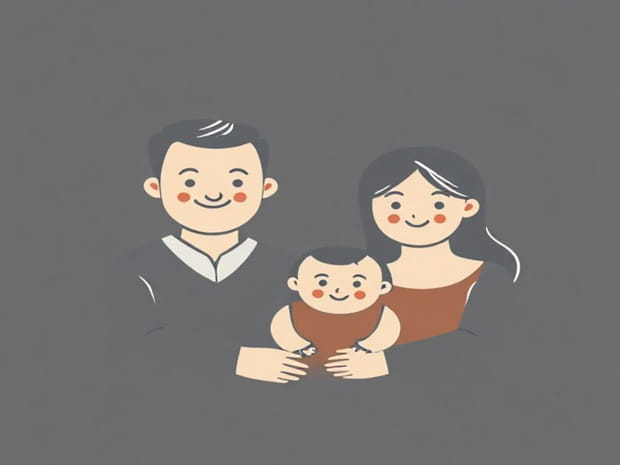
In A Family Portrait
A family portrait is more than just a photograph or painting; it is a timeless representation of connection, love, and shared history. Capturing a family together in a single frame preserves memories and emotions that often go unnoticed in daily life. Family portraits can document the passage of time, the growth of children, and the bonds between generations. They serve as cherished keepsakes, cultural artifacts, and symbols of identity that can be passed down through families for decades. Understanding the significance of a family portrait reveals why this tradition has endured across centuries and cultures.
The Historical Significance of Family Portraits
Family portraits have existed for centuries, from oil paintings in European homes to early black-and-white photography. Historically, they were symbols of status, wealth, and lineage, often commissioned by affluent families to demonstrate power and heritage. In these portraits, every detail from clothing to posture and background was carefully chosen to convey a message about the family’s values and social position.
Evolution Over Time
With the invention of photography in the 19th century, family portraits became more accessible to the general public. Photography allowed for more natural and spontaneous depictions of family life, moving away from the formal and rigid compositions of painted portraits. Over time, family portraits have evolved to reflect contemporary lifestyles, casual settings, and candid moments, making them more personal and emotionally resonant.
Elements of a Successful Family Portrait
A meaningful family portrait combines technical skills with emotional storytelling. The composition, lighting, color, and expressions of the subjects all contribute to the impact of the portrait. A well-crafted family portrait captures not only physical likenesses but also the personality and dynamics of the family members.
Composition and Arrangement
How family members are arranged in a portrait can convey relationships and hierarchy. Traditional compositions often placed parents at the center or back, with children in front, symbolizing protection and guidance. Modern portraits may adopt more casual arrangements, emphasizing equality, togetherness, or playful interactions. The placement of subjects can create balance, draw attention to key individuals, or highlight familial connections.
Lighting and Setting
Lighting plays a critical role in setting the tone of a family portrait. Soft, natural light can create warmth and intimacy, while dramatic lighting adds depth and contrast. The setting of the portrait, whether a studio, home, or outdoor location, also contributes to the narrative. A familiar environment may evoke comfort and nostalgia, whereas an outdoor setting can emphasize freedom, adventure, and shared experiences.
Expression and Emotion
Capturing genuine emotion is one of the most important aspects of a family portrait. Smiles, laughter, or even contemplative expressions reveal the character of each family member and the bonds they share. A successful portrait communicates the love, support, and unique dynamics of the family, making it more than a visual record but also an emotional one.
The Cultural Importance of Family Portraits
Family portraits carry deep cultural significance, reflecting traditions, beliefs, and values. In many cultures, they are displayed prominently in homes, symbolizing unity and continuity. They are also used in ceremonies, holidays, and milestones, marking events such as weddings, anniversaries, graduations, and reunions. The way families choose to present themselves in portraits often mirrors cultural attitudes toward identity, status, and family roles.
Preserving Legacy
Family portraits serve as historical records, preserving the legacy of previous generations. They allow future generations to connect with their ancestry, understand family traditions, and maintain a sense of belonging. Heirloom portraits passed down through generations often become treasured artifacts, holding stories and memories that transcend time.
Modern Trends in Family Portraits
In the digital age, family portraits have evolved further, incorporating new technology, casual styles, and creative expression. Professional photographers now offer outdoor sessions, themed setups, and lifestyle photography that captures authentic interactions. Social media also plays a role, with families sharing portraits online to connect with extended family and friends around the world.
Creative Approaches
- Outdoor PortraitsFamilies are photographed in natural settings, emphasizing relaxation, play, and connection with nature.
- Candid PhotographyCaptures unposed moments, highlighting real emotions and spontaneous interactions.
- Themed SessionsFamilies may choose costumes, props, or specific color schemes to convey personality or celebrate special occasions.
- Digital EditingEnhances lighting, color, and composition while maintaining authenticity.
The Emotional Impact of Family Portraits
Beyond their aesthetic and historical value, family portraits have a profound emotional impact. They provide a sense of identity, stability, and continuity. Viewing a family portrait can evoke memories of shared experiences, reinforce bonds, and remind individuals of the support network that surrounds them. For children, portraits often become a source of pride and security, helping them understand their place within the family structure.
Psychological Benefits
- Strengthening family bonds through shared experiences.
- Creating a sense of continuity and belonging.
- Providing comfort and nostalgia in times of separation or loss.
- Encouraging self-awareness and recognition of family roles.
A family portrait is far more than a visual record; it is a celebration of relationships, history, and shared experiences. From historical paintings to modern photography, portraits capture the essence of what it means to be part of a family. They preserve legacy, reinforce emotional bonds, and reflect cultural values while providing a medium for creative expression. In every carefully composed or candid snapshot, a family portrait tells a story that transcends time, reminding us of the love, connection, and memories that define family life. Whether displayed in a home, kept as a digital archive, or passed down through generations, these portraits remain timeless treasures that capture the heart of familial identity.