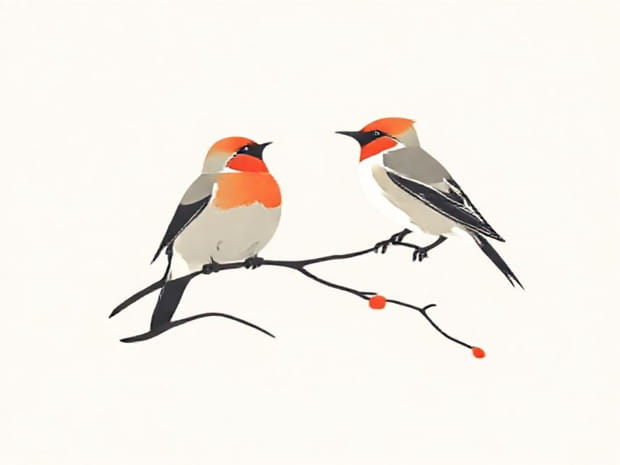
Images Of Waxwing Birds
Waxwing birds are among the most fascinating and visually striking species in the avian world. Known for their silky plumage and distinctive crest, these birds captivate birdwatchers and photographers alike. Capturing images of waxwing birds can reveal a remarkable range of colors and intricate details, from the subtle shades of brown and grey in their feathers to the vibrant red and yellow tips on their wings. Observing and photographing waxwings allows enthusiasts to appreciate their unique social behavior, as these birds are often seen in flocks, foraging for berries in forests, gardens, and urban areas. Their elegant appearance and lively movements make them a favorite subject for both amateur and professional bird photographers seeking to capture nature’s delicate beauty.
Identifying Waxwing Birds
Waxwings are medium-sized passerine birds easily recognized by their prominent crests and sleek bodies. The most common species include the Bohemian Waxwing and the Cedar Waxwing. Bohemian Waxwings have a more northern distribution, often found in Europe and Asia, while Cedar Waxwings are native to North America. Both species share similar features, such as soft brown plumage, black masks across their eyes, and bright, wax-like tips on their secondary wing feathers, which give them their name. These distinctive traits make waxwings easy to identify in the wild and particularly photogenic for nature photography.
Behavior and Social Habits
Waxwing birds are highly social and often travel in large flocks, especially during winter months when they search for berries and other fruit. This social behavior makes capturing images of waxwings both exciting and challenging. Photographers can observe interactions such as feeding, preening, and synchronized flight patterns. Waxwings are known for their agile and graceful movements, often hovering briefly to pluck berries or swiftly changing direction in flight. These behaviors add dynamic interest to images, allowing photographers to showcase both the beauty and the lively personality of the species.
Tips for Photographing Waxwing Birds
Capturing high-quality images of waxwing birds requires patience, preparation, and understanding of their habits. Here are some useful strategies
- LocationLook for waxwings in areas with abundant fruiting trees, such as rowan, juniper, and crabapple trees, or in urban parks during winter.
- TimingEarly morning or late afternoon provides the best natural light for photography, enhancing the birds’ colors and textures.
- EquipmentUse telephoto lenses to capture detailed shots without disturbing the birds. A tripod can help stabilize long exposures.
- ObservationSpend time watching waxwings’ feeding patterns and flight routes to anticipate their movements for the perfect shot.
- CompositionInclude elements of their natural environment, such as branches, berries, and sky, to provide context and enhance the visual storytelling.
Common Settings for Camera Work
To achieve sharp and vibrant images of waxwing birds, photographers often rely on specific camera settings. A fast shutter speed helps freeze motion, especially during flight or while feeding. Aperture settings between f/5.6 and f/8 create a balance between depth of field and subject isolation. ISO settings may need to be adjusted depending on lighting conditions, but keeping it as low as possible minimizes noise in detailed shots of the birds’ feathers. Using continuous autofocus and burst mode can help capture fleeting moments as waxwings move quickly through trees and air.
Understanding Their Seasonal Movements
Waxwing birds exhibit fascinating seasonal patterns that influence both their visibility and photographic opportunities. Bohemian Waxwings migrate south from northern Europe and Asia during winter, while Cedar Waxwings may travel shorter distances across North America depending on food availability. Photographers can plan trips around peak migration or berrying seasons to maximize encounters. Winter months often provide the most striking opportunities, as waxwings flock together and their plumage contrasts beautifully against snow-laden landscapes or muted winter skies. Understanding these patterns can greatly enhance the likelihood of capturing captivating images.
Highlighting Waxwing Features in Photography
One of the most appealing aspects of waxwing birds for photographers is their distinctive physical traits. Their elegant crests, sleek feathers, and colorful wing tips are details that stand out in close-up images. Capturing these features in natural light brings out subtle shades and textures that may not be visible to the naked eye. Additionally, photographing interactions within flocks can reveal social dynamics, such as cooperative feeding or playful behavior, making images more engaging and informative. Photographers often seek to balance artistic composition with accurate representation of these unique characteristics.
Using Images for Education and Conservation
High-quality images of waxwing birds serve purposes beyond aesthetic enjoyment. They play an important role in education, helping students and enthusiasts learn about avian species, habitat requirements, and behavioral traits. These images can also support conservation efforts by highlighting the importance of preserving natural habitats and fruit-bearing trees that waxwings rely on for food. Photographs shared through field guides, online platforms, and conservation campaigns can increase awareness of environmental challenges and inspire action to protect bird populations. By documenting waxwings in their natural settings, photographers contribute to both scientific understanding and public appreciation of these remarkable birds.
Photography Ethics and Best Practices
While capturing images of waxwing birds, ethical considerations are crucial. Disturbing birds during feeding, nesting, or migration can cause stress and interfere with their natural behavior. Photographers should maintain a respectful distance, use telephoto lenses, and avoid sudden movements or loud noises. Minimizing habitat disruption, respecting local regulations, and leaving no trace in natural areas ensures that both the birds and their environment remain unharmed. Responsible photography practices help preserve opportunities for future generations to observe and photograph waxwings in the wild.
Popular Locations to Spot Waxwings
Waxwing birds can be found across several regions depending on the season. In Europe, Bohemian Waxwings are often seen in Scandinavia, Russia, and parts of Central Europe. Cedar Waxwings are more common in North America, particularly in the United States and southern Canada. Urban parks, suburban gardens, and woodland edges with berry-producing trees are ideal locations for observing these birds. Seasonal migration routes also present opportunities for photographers to encounter large flocks. Each location offers unique photographic possibilities, from intimate close-ups in gardens to dramatic shots of flocks against wide-open skies.
Images of waxwing birds provide a window into the elegance, social behavior, and vibrant beauty of these striking avian species. By studying their habits, selecting appropriate locations, and applying effective photographic techniques, photographers can create compelling visual stories that capture the essence of waxwings. Beyond aesthetics, these images promote education, awareness, and conservation, highlighting the importance of protecting the birds and their habitats. Whether admired for their silky plumage, dynamic flock behavior, or vivid wing markings, waxwing birds remain a captivating subject for photographers and nature enthusiasts alike, offering endless opportunities for discovery and creative expression.