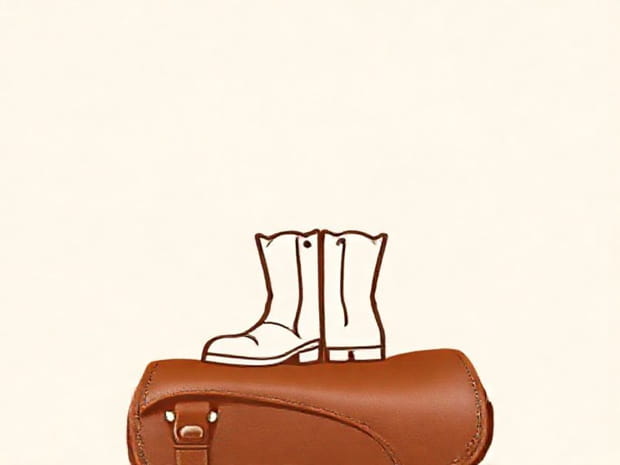
Empty Boots On A Lawman’S Saddle Meaning
The sight of empty boots hanging on a lawman’s saddle is a powerful and solemn symbol, carrying deep meaning in the context of law enforcement and cowboy culture. This imagery has roots in historical traditions and has been widely used to honor fallen officers or comrades, especially in the American West. The empty boots serve as a silent tribute, representing those who have served, fought, and sometimes given their lives in the line of duty. Understanding the symbolism, origins, and contemporary usage of this tradition helps illuminate the respect and remembrance embedded in this poignant gesture. It is a visual way of expressing loss, reverence, and the enduring memory of individuals who devoted themselves to protecting communities.
Origins of the Tradition
The practice of placing empty boots on a saddle has its roots in both cowboy and military traditions. In the American West, cowboys and lawmen often rode horses daily, with their boots firmly in the stirrups as a symbol of readiness and duty. When a fellow lawman or cowboy passed away, empty boots were placed on the saddle to signify that the person was no longer riding among the living. This gesture became a visual eulogy, showing respect for the fallen and recognizing their contributions to law enforcement or frontier life. Over time, the practice evolved into a symbolic way to honor those who had made the ultimate sacrifice.
Symbolism Behind Empty Boots
Empty boots carry multiple layers of meaning, each adding to the weight of the tribute
- Absence and LossThe empty boots visibly represent someone who is no longer present, highlighting the void left in the community or unit.
- Honor and RespectPlacing boots on a saddle is an acknowledgment of service, bravery, and commitment to duty.
- Readiness and VigilanceBoots in the stirrups remind viewers of the individual’s readiness to serve, even though they are now gone.
- Memory and LegacyThe symbol serves as a lasting reminder of the person’s contributions and the values they embodied.
The visual impact of empty boots on a saddle resonates with both law enforcement personnel and the wider public, conveying respect without words.
Military and Law Enforcement Connections
While the tradition has strong cowboy roots, it has also been adopted by military and law enforcement communities. Empty boots are used in ceremonies and memorials to honor fallen soldiers, police officers, or sheriffs. In many police departments, a ceremonial setup may include a folded flag, a helmet, and empty boots placed on a chair or saddle to pay tribute. This practice serves as a formal acknowledgment of sacrifice and loss, helping colleagues and communities process grief while preserving the memory of those who served.
Modern Usage in Memorials
Today, the symbol of empty boots continues to be a prominent feature in memorial services and public tributes. It is often accompanied by other symbolic items such as
- Badges or insignias representing the individual’s rank and service
- Rifles or pistols placed in ceremonial positions
- Flags representing the nation, state, or department
These memorial setups are carefully designed to honor the fallen while reminding attendees of the ongoing commitment and camaraderie among law enforcement and military personnel. The empty boots are central to this tribute, drawing attention to the personal sacrifice and the absence left in the unit or community.
Psychological and Emotional Impact
The image of empty boots on a saddle has a profound emotional effect, both for colleagues and the public. It provides a visual focus for mourning and reflection, allowing people to process grief in a symbolic manner. For fellow lawmen, the gesture reinforces a sense of unity and shared purpose, showing that their fallen comrade is remembered and respected. It also serves as a teaching moment for the wider community, emphasizing the human cost of maintaining law and order and the courage required to serve.
Educational and Cultural Significance
Beyond memorial services, the empty boots tradition has educational and cultural significance. It helps younger generations understand the sacrifices made by law enforcement officers and the historical context of the American West. Museums, documentaries, and educational programs often use imagery of empty boots on a saddle to illustrate themes of service, bravery, and mortality. This visual storytelling reinforces values such as duty, honor, and remembrance, connecting historical practices with contemporary appreciation for public service.
Variations of the Tribute
While the classic depiction involves empty boots on a saddle, the concept has evolved into various forms to fit modern contexts
- Boots on ChairsIn some ceremonies, empty boots are placed on a chair with a folded flag or badge for indoor memorials.
- Boots with HelmetsMilitary memorials may pair empty boots with a helmet to represent the individual’s service and identity.
- Boots at FuneralsEmpty boots may be included in funeral processions to honor the deceased publicly.
These adaptations ensure that the symbolic meaning remains intact while allowing flexibility for different ceremonial contexts.
Community Recognition
The use of empty boots on a lawman’s saddle also fosters community recognition and awareness. Public memorials featuring this symbol often draw attention to the sacrifices made by law enforcement officers. It encourages community members to express gratitude, reflect on the risks of public service, and recognize the human side of law enforcement work. This broader acknowledgment strengthens the bond between officers and the communities they serve.
The image of empty boots on a lawman’s saddle carries profound symbolism, connecting historical cowboy traditions with modern law enforcement and military practices. It serves as a visual tribute to those who have given their lives in service, representing absence, honor, readiness, and legacy. Whether used in ceremonial memorials, educational programs, or public commemorations, the empty boots remain a powerful reminder of sacrifice, courage, and dedication. This enduring symbol allows communities, colleagues, and families to honor fallen heroes while reinforcing the values of service, commitment, and remembrance that define the work of lawmen and public servants across generations.