Egyptian God Of Craftsmen
In ancient Egyptian mythology, craftsmanship was highly valued, reflecting the civilization’s emphasis on art, architecture, and skilled labor. The Egyptians believed that the creation of tools, jewelry, statues, and monumental structures required divine guidance and protection. Central to this belief was the Egyptian god of craftsmen, a deity revered for inspiring artisans and ensuring the mastery of skills necessary to build temples, craft intricate objects, and maintain cultural traditions. Understanding the role of this god reveals not only the spiritual significance of craftsmanship in ancient Egypt but also how religion and daily life were intricately connected, elevating skilled work to a sacred act with divine oversight.
Identity of the Egyptian God of Craftsmen
The primary deity associated with craftsmanship in ancient Egyptian mythology is Ptah. Ptah was worshipped primarily in the city of Memphis and considered the patron of artisans, builders, sculptors, metalworkers, and architects. As a creator god, Ptah was believed to conceive ideas in his mind before bringing them into reality, highlighting the importance of intellect, planning, and skill in creation. This divine role made him essential not only to craftsmen but also to the broader understanding of creation, innovation, and civilization in Egyptian thought.
Depictions and Symbols of Ptah
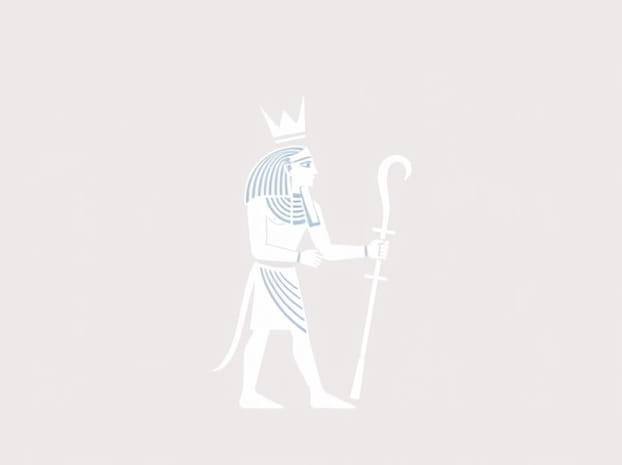
Ptah is commonly depicted as a mummified man, wearing a tight-fitting shroud and a skullcap, holding a scepter called the Was, which combines the ankh, djed, and was symbols representing life, stability, and power. These symbols emphasize his authority over creation and the balance of physical and spiritual realms. Ptah’s iconography reflects the sacredness of crafting, linking technical skill with divine wisdom and eternal principles.
The Role of Ptah in Egyptian Religion
Ptah’s influence extended beyond manual labor to encompass the very act of creation itself. Ancient Egyptians believed that Ptah brought ideas into existence through thought and speech, making him a god of intellectual and practical creation. He was considered a mediator between humans and other deities, enabling craftsmen to manifest divine designs through skillful work. Temples dedicated to Ptah, particularly in Memphis, became centers of both religious devotion and artistic activity, underscoring the sacred nature of craftsmanship in daily life.
Ptah and the Creation Myth
According to Egyptian mythology, Ptah played a pivotal role in the act of creation. He conceived the world in his heart and brought it into existence through his words, demonstrating that the creative process was both mental and spiritual. This concept reinforced the idea that artisans were not merely laborers but participants in a sacred act of shaping the world, guided by divine inspiration. Craftsmen were seen as carrying out the will of Ptah, linking their work to the maintenance of cosmic order and religious harmony.
Craftsmanship in Ancient Egypt
Ancient Egypt was renowned for its monumental architecture, intricate jewelry, finely crafted tools, and elaborate tombs. Craftsmanship required specialized knowledge in areas such as metallurgy, stone carving, pottery, weaving, and woodworking. Each trade was highly respected, and apprentices trained under masters to develop precise skills. Craftsmen often invoked Ptah for guidance and protection, believing that the god’s blessing would ensure both technical excellence and spiritual alignment in their creations.
Types of Crafts and Their Significance
- Stone Carving Essential for constructing temples, tombs, and statues, stone carving was considered a sacred art that preserved memory and honored the gods.
- Metalworking Artisans created tools, weapons, and jewelry, often incorporating symbolic designs that reflected religious beliefs and social status.
- Pottery and Ceramics Functional and ceremonial vessels were crafted with attention to both utility and aesthetic appeal, demonstrating the integration of art into daily life.
- Textiles and Weaving Skilled weavers produced clothing, ritual cloths, and decorative fabrics, linking craftsmanship to both practical and spiritual purposes.
- Woodworking Construction of furniture, chariots, and ceremonial objects required precision and reverence for materials, often blessed by Ptah.
Worship and Temples of Ptah
The city of Memphis, an ancient capital of Egypt, was the primary center of Ptah’s worship. The Temple of Ptah in Memphis was a prominent site where artisans, priests, and rulers honored the god and sought his guidance. Festivals, offerings, and rituals were performed to invoke Ptah’s blessing for both practical projects and artistic endeavors. Craftsmen often participated in these religious activities, reinforcing the connection between skill, devotion, and divine approval.
Rituals and Offerings
Worship of Ptah included presenting offerings of food, incense, and crafted items to the god. Rituals often involved recitations, prayers, and ceremonial acts to honor his power as a creator. Craftsmen believed that by seeking Ptah’s favor, their work would achieve both excellence and spiritual significance, linking earthly labor with divine purpose.
Ptah’s Influence on Other Deities
Ptah was not an isolated figure in Egyptian mythology but interacted with other gods in the pantheon. He was sometimes associated with Sekhmet and Bastet, representing the complementary forces of creation, protection, and destruction. Ptah’s intellectual and creative authority also influenced gods connected to wisdom and magic, such as Thoth, demonstrating the interconnected nature of divine functions. This association reinforced the sacred hierarchy in which craftsmen operated, guided by both inspiration and cosmic principles.
Legacy of Ptah and Craftsmanship
Ptah’s role as the god of craftsmen has left a lasting legacy in both historical scholarship and popular understanding of ancient Egypt. He symbolizes the divine nature of creativity, the sanctity of skill, and the integration of work and worship. Modern studies of Egyptian art, architecture, and material culture often reference Ptah’s influence, acknowledging that the meticulous craftsmanship of the past was both a technical and spiritual pursuit. Ptah’s example reminds us that human creativity, when guided by purpose and reverence, transcends mere labor to become a form of art and devotion.
Modern Interpretations
Today, Ptah continues to inspire interest among historians, artists, and enthusiasts of Egyptian culture. The concept of a divine patron of craftsmen highlights the ancient recognition of intellectual and artistic labor as essential to civilization. Artists and makers often draw parallels between Ptah’s creative power and the modern appreciation for skilled work, innovation, and craftsmanship. The story of Ptah encourages respect for artisanship, linking ancient beliefs to contemporary understanding of creativity and human achievement.
The Egyptian god of craftsmen, Ptah, occupies a central place in the pantheon as a deity of creation, skill, and inspiration. Revered in Memphis and across Egypt, Ptah guided artisans, builders, and sculptors, elevating their work to a divine act that maintained cosmic balance and spiritual order. Through mythology, temples, rituals, and symbolism, Ptah’s influence reinforced the sacredness of craftsmanship and the intellectual and spiritual aspects of creation. Understanding Ptah and his role allows modern audiences to appreciate the deep connection between art, labor, and the divine in ancient Egypt, emphasizing that every crafted object, from monumental statues to intricate jewelry, reflected both human skill and divine inspiration.