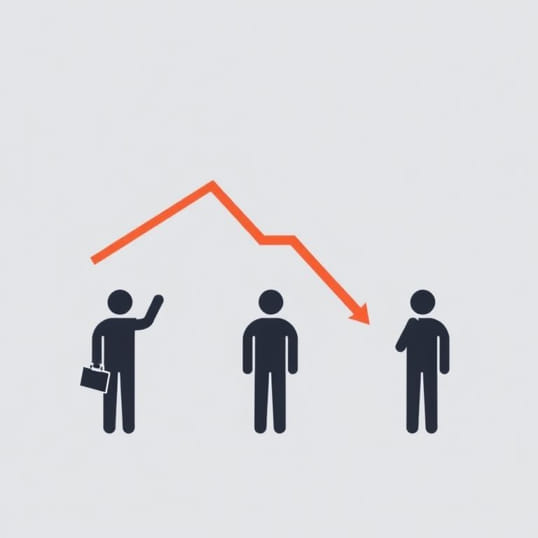
Effects Of An Economic Downswing On The Participants In The Economy
Economic downswing, often referred to as a recession or slowdown, has profound impacts on the participants in the economy, affecting individuals, businesses, and government institutions alike. When economic growth slows or contracts, the ripple effects can be felt across multiple sectors, influencing employment, investment, consumption, and overall financial stability. People may experience job insecurity, reduced income, or limited access to credit, while businesses face declining sales, tighter cash flow, and challenges in maintaining operations. Governments are pressured to implement policies to stimulate growth or mitigate adverse outcomes. Understanding the effects of an economic downswing is crucial for policymakers, business leaders, and citizens to navigate challenging economic periods effectively.
Impact on Households
Households are often the first and most directly affected participants in an economic downswing. Income levels can decrease due to layoffs, reduced work hours, or wage freezes. Families may need to adjust their spending habits, prioritizing essential expenses such as food, housing, and healthcare over discretionary spending. Financial stress can lead to increased borrowing, higher debt levels, and in severe cases, defaults on loans or mortgages.
Employment and Income
During an economic slowdown, companies frequently reduce their workforce to control costs. This leads to higher unemployment rates and heightened job insecurity. Even individuals who retain employment may face pay cuts or reduced benefits. The uncertainty surrounding income can affect household confidence, leading to lower spending and a more cautious approach to financial decisions.
Consumption Patterns
Households tend to modify their consumption habits during a downturn. Non-essential purchases are often postponed or canceled, which can further depress demand in the economy. People may shift toward cheaper alternatives or discount stores, impacting businesses that rely on higher-margin products. Reduced consumer spending creates a feedback loop, slowing economic recovery and prolonging the effects of the downswing.
Impact on Businesses
Businesses are significantly affected by economic contractions, as reduced consumer demand and tighter credit conditions create operational challenges. Companies across sectors experience pressure on profits, cash flow, and investment capacity. Smaller enterprises, which often have limited financial reserves, are particularly vulnerable to economic downturns.
Sales and Revenue Decline
One of the immediate consequences for businesses during a downswing is a decline in sales and revenue. Reduced consumer spending and lower demand for products or services directly affect profitability. Many companies may delay expansion plans, cut marketing budgets, or renegotiate supplier contracts to manage costs. A prolonged slowdown can lead to closures or bankruptcies, especially for firms that operate on thin margins.
Investment and Growth Constraints
Economic uncertainty discourages investment, both in new projects and in workforce expansion. Businesses may postpone technology upgrades, research and development, or infrastructure improvements. Access to credit can become more restricted, as banks tighten lending criteria during recessions, making it harder for companies to fund operations or growth initiatives. This can slow innovation and long-term competitiveness within the economy.
Employee Layoffs and Morale
To cope with declining revenue, businesses may reduce their workforce, leading to layoffs or furloughs. Remaining employees often face increased workloads, stress, and reduced morale. Organizational culture can be affected, with lower motivation and productivity impacting overall performance. Businesses that manage to retain their employees while maintaining operational efficiency often fare better during recovery periods.
Impact on Financial Institutions
Banks and financial institutions are also significantly affected by an economic downswing. Loan defaults, reduced borrowing, and declining investment opportunities can strain financial stability. During recessions, banks may face higher levels of non-performing loans as both individuals and businesses struggle to meet their financial obligations. Credit availability often tightens, making it more challenging for households and businesses to access funds.
Risk Management Challenges
Financial institutions must carefully manage risk during an economic slowdown. Higher loan defaults can affect profitability and capital reserves, requiring stricter lending policies. Banks may increase interest rates on loans for riskier borrowers, which can further constrain credit availability. Additionally, financial institutions must navigate market volatility, which affects investment portfolios and overall financial performance.
Impact on Government and Public Policy
Governments play a critical role during economic downturns, as they must respond to declining revenues, rising unemployment, and increasing demand for social services. Reduced tax collections can constrain public budgets, while the need for stimulus programs or unemployment benefits increases fiscal pressure. Policymakers must balance short-term relief measures with long-term economic stability to prevent prolonged recessions.
Fiscal Policy Measures
Governments often implement fiscal policies such as increased public spending, tax cuts, or direct financial assistance to households and businesses. These measures aim to stimulate demand, support employment, and boost economic confidence. However, excessive borrowing to fund stimulus programs can lead to higher national debt, which may pose challenges for future economic policy.
Monetary Policy Interventions
Central banks may adopt monetary policies such as lowering interest rates, quantitative easing, or targeted lending programs to encourage borrowing and investment. These interventions are designed to increase liquidity in the economy and stimulate growth. While effective to some extent, monetary policy alone may not fully counteract the negative impacts of a significant economic downswing.
Social and Psychological Effects
Economic downturns extend beyond financial impacts, affecting social well-being and mental health. Job losses, income insecurity, and uncertainty about the future can lead to stress, anxiety, and reduced quality of life. Communities may experience increased reliance on social welfare programs, heightened social tensions, and reduced opportunities for education or skill development. The psychological effects can persist even after the economy begins to recover, influencing long-term productivity and social cohesion.
an economic downswing affects nearly all participants in the economy, from households and businesses to financial institutions and government entities. Individuals face job insecurity and reduced income, while businesses experience lower sales, constrained investment, and operational challenges. Financial institutions deal with higher risks, and governments are tasked with implementing effective policies to stabilize the economy. Understanding these effects is essential for preparing and responding to economic contractions. By recognizing the multifaceted impact of economic downturns, participants can adopt strategies to mitigate risks, support recovery, and maintain resilience in the face of financial challenges.