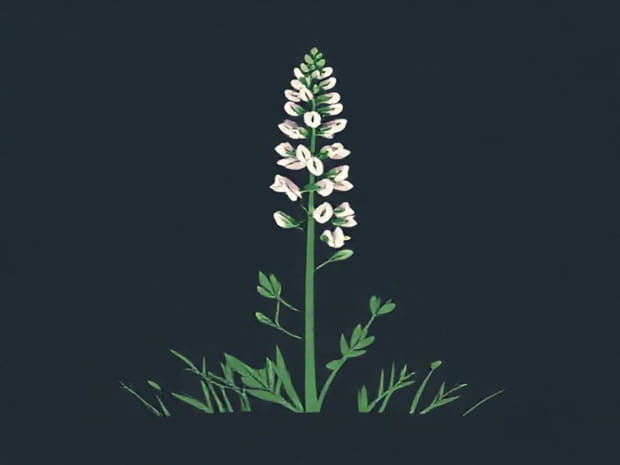
How To Plant Lupine Seeds
Planting lupine seeds can be a rewarding experience for gardeners looking to add vibrant colors and vertical interest to their landscapes. Lupines are known for their tall, spiky flowers that come in shades of purple, pink, blue, and white, and they attract pollinators such as bees and butterflies. While they are beautiful, lupines require specific preparation and care to grow successfully from seed. Understanding the proper planting techniques, soil requirements, and seasonal considerations can help ensure strong germination and healthy growth for these stunning plants.
Choosing the Right Lupine Variety
There are several species of lupines, and selecting the right variety is important for your garden’s climate and soil conditions. Some common garden varieties include Lupinus polyphyllus, Lupinus perennis, and Lupinus arboreus. These varieties differ in height, flower color, and bloom time. Researching which species thrive in your region can save time and increase the chances of successful growth. Consider the space available, as some lupines can reach over four feet tall, and choose a variety that complements your garden layout.
Preparing the Soil
Lupines prefer well-draining soil with a slightly acidic to neutral pH, ideally between 6.0 and 7.0. They do not tolerate heavy clay or waterlogged soil well. Before planting, clear the area of weeds and debris. Loosen the soil to a depth of at least six inches to allow the roots to penetrate easily. Mixing in compost or organic matter can improve soil fertility and structure, providing a nutrient-rich environment for seedlings. Since lupines are nitrogen-fixing plants, they can improve soil quality over time, benefiting surrounding plants as well.
Scarifying Lupine Seeds
Lupine seeds have a hard outer coating that can slow germination. Scarification, or lightly breaking the seed coat, helps water penetrate and stimulates faster sprouting. You can scarify seeds by gently rubbing them with sandpaper or nicking them with a small knife. Another method is soaking seeds in water for 12 to 24 hours before planting. This softens the seed coat and improves germination rates. Scarification is particularly important for older seeds that may have a tougher outer layer.
When to Plant Lupine Seeds
The timing of planting lupine seeds depends on your climate. In colder regions, it is often best to plant seeds in early spring after the last frost. In milder climates, late fall planting allows seeds to undergo natural stratification over winter, which can enhance germination. Lupines require a period of cold to break dormancy, so exposing seeds to winter temperatures either naturally outdoors or artificially in a refrigerator can improve sprouting rates. Understanding your local frost dates will help determine the best planting window.
Direct Sowing vs. Starting Indoors
Lupine seeds can be planted directly in the garden or started indoors. Direct sowing is simpler and reduces transplant shock, but seedlings may be more vulnerable to pests and weather fluctuations. To direct sow, scatter seeds over prepared soil and lightly press them into the surface, leaving about 12 to 18 inches between plants for adequate spacing. Cover seeds lightly with soil or sand, as they need light to germinate but should not be buried too deeply.
Starting seeds indoors gives more control over temperature, moisture, and light conditions. Use small pots or seed trays with well-draining seed-starting mix. Plant seeds about a quarter-inch deep, keeping the soil consistently moist but not waterlogged. Once seedlings develop strong roots and two to three sets of leaves, they can be gradually hardened off by exposing them to outdoor conditions before transplanting to the garden.
Watering and Fertilization
Lupines require consistent moisture during germination and early growth. Water seeds gently to avoid washing them away, and maintain even soil moisture until seedlings are established. Overwatering can cause root rot, so ensure proper drainage. Once seedlings are established, lupines are relatively drought-tolerant, but supplemental watering during dry spells can encourage stronger growth and more prolific flowering.
Fertilization should be light, as lupines naturally fix nitrogen in the soil. A balanced, low-nitrogen fertilizer can be applied sparingly to encourage healthy foliage and flower production. Avoid high-nitrogen fertilizers, which may promote leafy growth at the expense of blooms. Adding organic mulch around seedlings can help retain soil moisture, suppress weeds, and regulate soil temperature.
Sunlight and Location
Lupines thrive in full sun to partial shade. They need at least six hours of direct sunlight daily for optimal flowering. Choosing a location with good air circulation reduces the risk of fungal diseases. Avoid areas prone to waterlogging or heavy shade, as these conditions can stunt growth and reduce bloom quality. Taller varieties may benefit from staking or planting near fences to support their height and prevent flopping in windy conditions.
Maintaining Seedlings
Once seedlings emerge, thin them to avoid overcrowding, which can lead to competition for nutrients and air circulation. Keep the area free of weeds and monitor for pests such as aphids or slugs, which may feed on young leaves. Regular inspection and early intervention help ensure healthy plants. Pinching off early flower buds can encourage stronger root and leaf development before the plant begins heavy blooming.
Long-Term Care and Blooming
Lupines are generally short-lived perennials, with some species behaving as biennials. Deadheading spent flowers encourages additional blooms and prevents self-seeding in unwanted areas. After flowering, allow some seed pods to mature if you wish to collect seeds for future planting. Lupines benefit from winter protection in colder climates, such as applying a layer of mulch to insulate roots and maintain soil moisture. With proper care, lupines will return each year, adding vibrant color and attracting pollinators to your garden.
Companion Planting and Garden Design
Lupines pair well with other sun-loving perennials and annuals, creating visually appealing garden compositions. Consider planting them alongside plants with complementary colors and bloom times to maintain garden interest throughout the growing season. Their nitrogen-fixing ability can also improve soil for nearby plants, making them a valuable addition to a sustainable garden design.
Troubleshooting Common Problems
Occasionally, lupine seedlings may struggle due to environmental factors or disease. Common issues include damping-off, caused by overly wet conditions, and powdery mildew, which can affect leaves in humid climates. Proper spacing, good air circulation, and careful watering can mitigate most problems. If pests or diseases occur, early identification and appropriate organic or chemical treatments can prevent significant damage.
Tips for Successful Lupine Growth
- Scarify seeds to improve germination rates.
- Plant in well-draining, slightly acidic soil.
- Provide at least six hours of sunlight daily.
- Water consistently during germination and early growth.
- Thin seedlings to prevent overcrowding and disease.
- Deadhead spent flowers to encourage additional blooms.
- Consider companion plants to enhance garden aesthetics and soil health.
Planting lupine seeds requires careful planning, proper soil preparation, and attentive care, but the reward is a garden filled with stunning, colorful spikes that attract pollinators and create visual interest. By following best practices for seed preparation, planting, watering, and ongoing maintenance, gardeners can enjoy healthy, thriving lupine plants year after year. With patience and consistent care, lupines become a valuable and beautiful addition to any garden landscape.