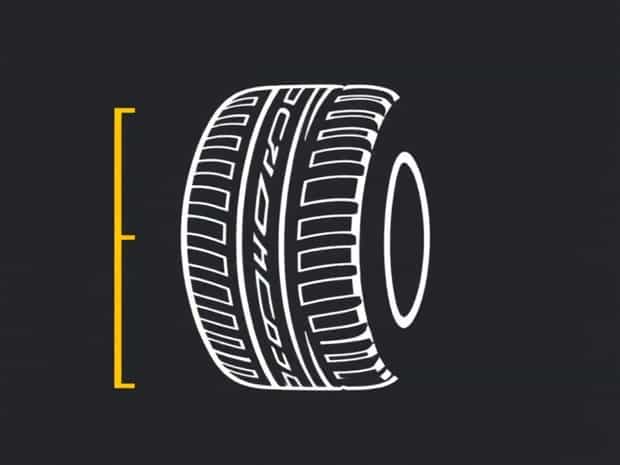
How To Measure Tire Tread
Knowing how to measure tire tread is one of the most important skills for any driver or car owner. The depth of your tire tread directly affects how your vehicle grips the road, especially in wet or slippery conditions. Worn tires can increase braking distances, reduce handling performance, and even raise the risk of hydroplaning. Because of this, understanding how to check tire tread depth regularly is an essential part of safe driving and proper vehicle maintenance. There are several methods available, ranging from quick do-it-yourself techniques to precise professional tools, and learning each one can help you keep your tires in optimal condition.
Why Tire Tread Depth Matters
The grooves in a tire, known as the tread, are designed to channel water away from the surface, provide traction, and help maintain stability. When the tread becomes too shallow, the tire loses its ability to perform these functions effectively. For most vehicles, the legal minimum tread depth is around 2/32 of an inch, but safety experts often recommend replacing tires when they reach 4/32 or even 3/32 of an inch to maintain safe stopping power and handling.
Tools and Methods for Measuring Tire Tread
Measuring tire tread can be done in different ways depending on what tools you have on hand. Some methods are very simple and only take a minute, while others give more precise readings. Here are the most common approaches
The Penny Test
One of the easiest ways to measure tire tread is by using a penny. This simple test requires no special tools and can be done anywhere
- Insert a penny into the tire’s tread grooves with Abraham Lincoln’s head facing down.
- If you can see the top of Lincoln’s head, it means the tread is worn down to 2/32 of an inch or less and the tire should be replaced immediately.
- If part of Lincoln’s head is still covered, your tread is deeper than 2/32 inch and still safe for use.
While the penny test is not the most precise, it provides a quick and reliable way to check tread wear at home.
The Quarter Test
A slightly more conservative method is the quarter test, which helps you know when to replace tires before they reach the legal minimum
- Insert a quarter into the tread groove with George Washington’s head down.
- If the tread does not cover Washington’s head, it means you have less than 4/32 inch of tread left.
- This is a good time to start considering new tires, especially if you drive in wet or snowy conditions.
Tire Tread Depth Gauge
For more accuracy, a tire tread depth gauge is the best tool to use. This inexpensive tool provides a precise measurement in both 32nds of an inch and millimeters. To use a tread depth gauge
- Place the gauge’s probe into the tread groove.
- Press the base of the gauge flat against the tire.
- Read the measurement shown on the scale.
This tool allows you to check multiple points across the tire to ensure even wear, which is important because tread depth may vary between the center and edges of the tire.
Built-In Tread Wear Indicators
Most modern tires come with tread wear indicators, also known as wear bars. These are small raised sections of rubber that run perpendicular to the tread grooves. When your tread wears down to the level of these bars, it means the tire has reached its minimum safe depth. While this method is simple, it only indicates when replacement is urgent, not before.
Where to Measure Tire Tread
To get an accurate assessment of your tire’s condition, it is important to measure tread depth in multiple spots
- Center of the tireEnsures that the tread is not excessively worn down the middle, which may indicate overinflation.
- Outer edgesChecks for wear caused by underinflation or alignment issues.
- Across multiple groovesEnsures the wear is even throughout the tire.
Uneven tread wear can signal problems like improper alignment, unbalanced tires, or suspension issues, all of which should be addressed to prevent further damage.
Recommended Tread Depth for Different Conditions
While the minimum legal tread depth is 2/32 inch in many regions, safety recommendations vary depending on driving conditions
- Dry roads2/32 inch may still provide adequate grip, but traction will be reduced.
- Wet conditionsAt least 4/32 inch is recommended to reduce the risk of hydroplaning.
- Snow and iceAt least 6/32 inch is ideal for maintaining traction in winter driving conditions.
Knowing these numbers can help you decide when it’s time to change tires even before they legally require replacement.
Signs That You Need New Tires
In addition to measuring tread depth, there are other signs that can indicate your tires need replacing
- Visible cracks or dry rot in the sidewalls.
- Uneven tread wear across the tire surface.
- Bulges or blisters on the sidewall.
- Excessive vibration while driving.
Checking tread depth regularly along with these signs helps you maintain tire safety and avoid unexpected blowouts.
How Often Should You Measure Tire Tread?
It’s a good habit to check your tire tread every few months, or at least every 5,000 to 6,000 miles, which often aligns with oil change intervals. If you drive frequently in harsh conditions, such as heavy rain, snow, or unpaved roads, more frequent checks are advisable. Regular inspections will help catch early signs of wear and keep your tires performing their best.
Tips for Extending Tire Life
While measuring tire tread is important, taking steps to extend the life of your tires will help you get the most out of them. Here are some helpful tips
- Rotate your tires every 5,000 to 7,500 miles to promote even wear.
- Check and maintain proper tire pressure regularly.
- Ensure your wheels are properly aligned and balanced.
- Avoid aggressive driving habits such as hard braking and sharp cornering.
- Store seasonal tires properly if you use winter and summer sets.
Following these practices will not only help your tires last longer but also ensure safer driving conditions.
Measuring tire tread is a simple yet crucial step in maintaining road safety and vehicle performance. Whether you use the penny test, quarter test, a tread depth gauge, or built-in wear indicators, the key is to check regularly and act before the tread becomes dangerously low. Keeping your tires in good condition means better grip, shorter stopping distances, and improved control in all driving situations. By knowing how to measure tire tread and when to replace tires, you ensure that your vehicle remains safe, reliable, and ready for the road ahead.