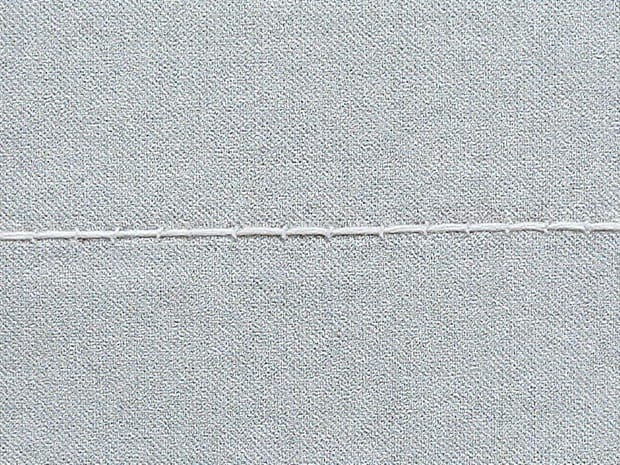
How To Hemstitch Linen By Hand
Hand hemstitching linen is a traditional sewing technique that adds elegance and a touch of craftsmanship to any fabric project. Unlike machine stitching, hand hemstitching allows for intricate designs, precise control, and a delicate finish that enhances the beauty of linen. This technique is often used on tablecloths, napkins, handkerchiefs, and heirloom garments, providing both functional reinforcement and decorative appeal. Learning to hemstitch linen by hand requires patience, attention to detail, and an understanding of the linen’s weave, but the results are rewarding and long-lasting. The process involves careful preparation, consistent stitching, and finishing techniques to create a refined, professional look.
Materials Needed for Hand Hemstitching
Before beginning the hemstitching process, gather the necessary materials. Linen is a natural fiber with a slightly stiff texture, making it ideal for hemstitching. Choose high-quality linen fabric to ensure durability and ease of working. You will also need
- Needles A sharp embroidery or hand sewing needle is recommended for precise stitching.
- Thread Use fine cotton, silk, or linen thread that matches or complements the fabric color.
- Scissors Sharp fabric scissors for cutting and trimming threads and fabric edges.
- Pins To hold folded hems in place before stitching.
- Iron Pressing the hem before and after stitching ensures a crisp, professional finish.
- Optional A magnifying glass or hoop can help maintain even tension and spacing for detailed work.
Understanding the Linen Weave
Linen has a natural weave with visible threads that run vertically (warp) and horizontally (weft). Hemstitching works by drawing out specific threads and securing the remaining threads in bundles with decorative stitches. Before starting, examine the fabric closely to identify the threads to remove and the threads to retain. This understanding ensures evenly spaced stitches and a balanced hemstitch pattern. Counting threads accurately is key to achieving consistent results.
Step-by-Step Guide to Hemstitch Linen by Hand
1. Preparing the Hem
Begin by preparing the edge of the linen fabric. Fold the edge to the desired hem width, typically between 1/4 inch and 1 inch depending on your project. Pin the fold in place to prevent shifting. Press the fold with an iron to create a crisp edge, which will make stitching easier and more precise. The folded edge will serve as a guide for where your hemstitches will be placed.
2. Securing the Fold
Next, tack the folded hem in place using small running stitches along the fold. These temporary stitches keep the hem stable and allow for accurate thread removal later. Make sure the stitches are even and secure but small enough to avoid distorting the fabric. Press the pinned and tacked hem once again to maintain a neat appearance.
3. Drawing Out Threads
The hallmark of hemstitching involves removing specific threads from the linen fabric to create open spaces. Using a needle or pin, gently pull out vertical or horizontal threads, depending on the desired pattern. Be careful not to pull too many threads or damage the remaining fabric. The threads left in place will form the bundles that are stitched together. The number of threads drawn out determines the size and spacing of the hemstitch, so consistent counting is essential.
4. Beginning the Hemstitch
Thread your needle with fine thread and knot the end. Starting at one corner of the hem, group a small bundle of threads left in the fabric after drawing out the others. Pass the needle through this bundle and loop the thread around it to secure it. Continue this process along the length of the hem, creating evenly spaced bundles. The stitching pattern can vary a simple hemstitch involves looping the thread once around each bundle, while more intricate patterns may use multiple loops or decorative knots.
5. Maintaining Even Tension
Consistent tension is crucial for a neat hemstitch. Pull the thread gently to secure each bundle without puckering the fabric. Uneven tension can distort the linen and affect the overall appearance of the hemstitch. Check your work periodically, making adjustments as needed. Using a hoop can help maintain flat, taut fabric while stitching, especially for longer hems or detailed designs.
6. Finishing the Hem
Once you reach the end of the hem, secure the thread with a small knot and trim any excess. Press the hem gently with an iron to set the stitches and enhance the crisp appearance of the linen. If desired, add a second row of hemstitching parallel to the first for additional decorative effect. Inspect the hem for uniform spacing and tidy bundles, making corrections as necessary to achieve a polished finish.
Tips for Perfect Hand Hemstitching
- Practice on Scrap FabricBefore working on the final piece, practice hemstitching on a linen scrap to get familiar with the thread count and spacing.
- Use Fine ToolsSmall needles and thin thread produce delicate, precise stitches suitable for linen’s texture.
- Patience is KeyHand hemstitching requires time and attention to detail. Work slowly to avoid mistakes.
- Press RegularlyIroning as you go helps maintain crisp edges and evenly spaced stitches.
- Keep Consistent BundlesEvenly sized thread bundles ensure a balanced and professional look.
Applications of Hand Hemstitching
Hand hemstitching is not only functional but also highly decorative. It strengthens the edges of linen fabric while creating a refined, airy design. Common applications include
- Table linens such as napkins, tablecloths, and placemats.
- Heirloom garments including handkerchiefs, blouses, and christening gowns.
- Decorative pillowcases and linens for home decor.
- Artisan sewing projects where intricate detail is valued over speed.
Learning to hemstitch linen by hand is a rewarding skill that combines practical sewing with decorative artistry. By carefully preparing the hem, drawing out threads with precision, and creating consistent stitched bundles, you can achieve an elegant finish that enhances the beauty of linen fabric. Attention to detail, patience, and proper tools are essential for a professional result. Whether for personal use, gifts, or heirloom projects, hand hemstitching transforms ordinary linen into a work of art, showcasing the timeless appeal of hand-crafted textiles.