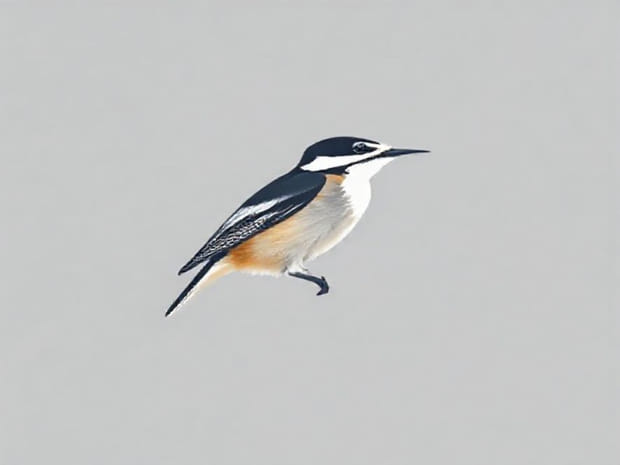
Does The White Breasted Nuthatch Migrate
The white-breasted nuthatch is a familiar bird to many who enjoy walks in the woods or watching feeders in their backyards. Known for its habit of creeping headfirst down tree trunks, this small yet energetic bird raises questions about its lifestyle, particularly whether it undertakes seasonal migrations like many other bird species. Understanding its behavior helps birdwatchers, conservationists, and nature enthusiasts appreciate its unique place in North American ecosystems. To fully answer the question of whether the white-breasted nuthatch migrates, one must look at its range, behavior, and adaptability to different environments.
Range of the White-Breasted Nuthatch
The white-breasted nuthatch (Sitta carolinensis) is one of the most widely distributed nuthatch species in North America. Its range extends from southern Canada throughout most of the United States and into parts of Mexico. Unlike long-distance migratory birds such as warblers or swallows, this species generally stays within its range year-round. It inhabits mature deciduous and mixed forests, especially areas with oaks, maples, and hickories, but it also adapts well to suburban areas with scattered trees.
Habitat Preferences
White-breasted nuthatches thrive in environments that provide ample food sources, particularly large trees with bark crevices to store seeds. They prefer habitats such as
- Deciduous forests dominated by oak, beech, and maple
- Mixed woodlands with both conifers and hardwoods
- Suburban parks and backyards with mature shade trees
- Orchards and semi-rural landscapes
Do They Migrate?
For most populations of the white-breasted nuthatch, migration is not a regular part of their life cycle. They are considered non-migratory or resident birds. This means they usually remain in the same region throughout the year, enduring cold winters and warm summers in their chosen habitats. Their ability to store food in bark crevices and return to these caches later allows them to survive the winter without the need to migrate southward.
Partial or Local Movements
While they are not long-distance migrants, white-breasted nuthatches may display some seasonal movements under certain conditions. For example
- Food shortagesIn years when acorns or other mast crops are scarce, some nuthatches may move to areas with better resources.
- Weather extremesParticularly harsh winters may prompt local shifts in range, though not across great distances.
- Young dispersalJuveniles often move away from their birthplace to establish their own territories, which can give the appearance of limited migration.
These movements are generally short and opportunistic rather than systematic seasonal migrations.
Adaptations for Staying Year-Round
The reason the white-breasted nuthatch does not need to migrate lies in its remarkable adaptations. Unlike insectivorous birds that must follow food sources, nuthatches are omnivorous. They consume insects, spiders, nuts, and seeds, adjusting their diet based on availability.
Food Storage Behavior
One of their most fascinating behaviors is caching food. White-breasted nuthatches will tuck seeds and insects into bark crevices, covering them with bits of lichen or bark to hide them from competitors. This stored food becomes critical in winter when other resources are scarce. Their excellent memory allows them to relocate these caches later.
Territorial Nature
Another reason they do not migrate is their strong territorial behavior. Pairs often remain in the same territory year-round, defending it vigorously against intruders. This attachment to a particular space reduces the need for seasonal travel and ensures that they always know the best foraging spots.
Comparison with Other Nuthatches
When asking whether the white-breasted nuthatch migrates, it helps to compare it with other species of nuthatches in North America
- Red-breasted nuthatchThis species is known for its irregular migrations. In years when cone crops fail in the north, they move southward in large numbers, sometimes appearing far outside their usual range.
- Pygmy nuthatchFound mainly in the western United States, these birds are generally non-migratory, similar to the white-breasted nuthatch, though they rely heavily on pine forests.
- Brown-headed nuthatchThis southeastern species is also largely sedentary, restricted to pine habitats.
The comparison highlights that among nuthatches, only the red-breasted nuthatch shows significant migratory behavior, while the white-breasted nuthatch is firmly in the non-migratory category.
Seasonal Behavior Observed
Although they do not migrate, the behavior of the white-breasted nuthatch does change with the seasons
- SpringPairs form and defend territories, beginning courtship displays and nest building in tree cavities.
- SummerThey focus on feeding chicks and catching insects, which are abundant during this season.
- FallFood caching becomes the main priority, with seeds stored in preparation for winter.
- WinterThey rely on caches, join mixed-species foraging flocks, and adjust feeding behaviors to survive harsh conditions.
Impact of Climate Change and Habitat Loss
While the white-breasted nuthatch does not migrate, environmental pressures could influence its future behaviors. Climate change may alter the availability of food sources, while deforestation and habitat fragmentation reduce the mature forests they depend upon. In some areas, this could force local populations to move greater distances than usual, blurring the line between sedentary and migratory behavior.
Why Birdwatchers Care About Migration Status
For birdwatchers and conservationists, knowing whether the white-breasted nuthatch migrates helps in tracking population health and seasonal distribution. Since they remain year-round in much of their range, they serve as reliable indicators of habitat quality. Their presence at feeders in winter also makes them a favorite for backyard bird enthusiasts, providing joy and a sense of continuity when many other species have migrated south.
To answer the question, does the white-breasted nuthatch migrate the simple response is no, not in the traditional sense. This bird is largely non-migratory, staying within its established range throughout the year. Its clever food storage habits, adaptability in diet, and strong territorial instincts allow it to thrive without seasonal migrations. While minor local movements may occur due to food shortages or weather extremes, these do not qualify as true migrations. Instead, the white-breasted nuthatch remains a year-round companion to North American forests, parks, and backyards, reminding us of the remarkable ways birds adapt to their environments.