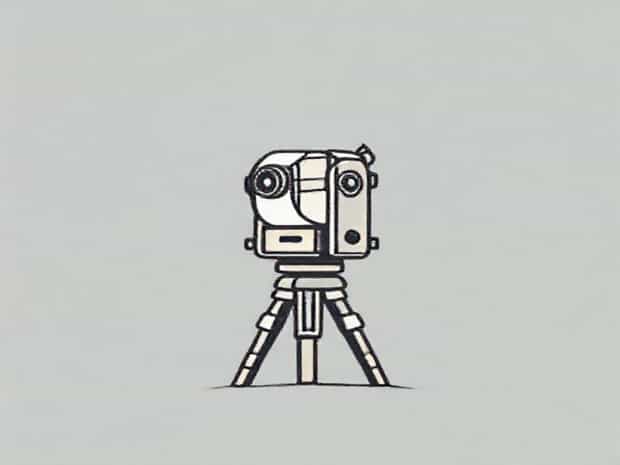
How To Draw A Theodolite
Drawing a theodolite can be an intriguing and rewarding project for artists, engineers, and students who are interested in technical illustration. A theodolite is a precision optical instrument used in surveying and engineering to measure horizontal and vertical angles. Its structure combines geometric simplicity with intricate details, including the telescope, graduated circles, leveling screws, and tripod. Learning how to draw a theodolite involves understanding its components, proportions, and mechanical features. This guide will provide step-by-step instructions, tips, and techniques to create an accurate and visually appealing illustration of a theodolite.
Understanding the Theodolite Structure
Before starting the drawing, it is crucial to understand the main parts of a theodolite. The instrument typically consists of a base that attaches to a tripod, a vertical circle and horizontal circle for angle measurement, a telescope that rotates horizontally and vertically, and adjustment knobs for precision leveling. Many modern theodolites include additional features such as digital displays or fine motion screws, but the basic mechanical structure remains similar. Observing reference images or physical theodolites helps in capturing accurate proportions and mechanical relationships between parts.
Materials You’ll Need
Having the right materials makes drawing a theodolite easier and more precise. Some recommended materials include
- Pencils Use a range from HB to 4B for sketching and shading.
- Eraser A soft eraser is helpful for correcting mistakes and refining lines.
- Ruler or straightedge Useful for drawing the straight edges of mechanical parts.
- Compass or protractor Helps with circular components like graduated circles.
- Paper Medium-weight sketch paper suitable for pencil or ink work.
- Optional Colored pencils or markers for highlighting parts or adding depth.
Step 1 Sketching the Basic Shapes
Start by drawing the fundamental geometric shapes that form the theodolite. Use rectangles and cylinders to outline the base and tripod mounting, and simple ovals or circles for the telescope and horizontal/vertical circles. Establish the proportions of the instrument early, as the accuracy of the final drawing depends on these basic shapes. Light lines are recommended at this stage so adjustments can be made easily.
Step 2 Drawing the Telescope
The telescope is the most prominent feature of a theodolite. Begin by refining the cylindrical shape of the telescope, adding the eyepiece at one end and the objective lens at the other. Indicate the rotation axis and the supporting bracket connecting the telescope to the vertical circle. Adding details like focusing knobs, adjustment screws, and small ridges can enhance realism. Ensure that the telescope is proportional to the base and that its angles align correctly with the horizontal and vertical circles.
Step 3 Adding the Circles and Scales
The horizontal and vertical circles are essential for angle measurement. Use a compass or carefully sketched ovals to create these circular components. Mark the main divisions lightly, indicating degrees or increments, and show small notches or lines for precision. Position the circles accurately relative to the telescope and base. These elements require careful attention to symmetry and scale to ensure the drawing looks both realistic and technically correct.
Step 4 Drawing the Base and Tripod Attachment
The base of the theodolite often includes a flat circular platform or a slightly raised section that connects to the tripod. Sketch the base carefully, showing the leveling screws and mounting points. If you choose, indicate the tripod legs extending downward with simple lines or cylinders. This part may involve perspective adjustments to make the theodolite appear three-dimensional. Use light guidelines to maintain proportion and alignment with the telescope and circles above.
Step 5 Refining Details and Knobs
Now it is time to add the finer details. Refine the edges, screws, adjustment knobs, and other mechanical parts. Include texture where necessary, such as ridges on knobs or etched markings on the graduated circles. These small details contribute significantly to the overall realism of the theodolite. Take your time to study reference images to ensure accuracy. Maintaining a consistent line weight can help differentiate between primary structural elements and smaller features.
Step 6 Adding Depth and Shading
Shading can transform a technical sketch into a visually appealing illustration. Identify a light source and apply shadows along the sides of the telescope, circles, and base. Use cross-hatching or smooth gradient shading to indicate cylindrical and flat surfaces. Shadows under the knobs, brackets, and tripod connection points help convey depth and three-dimensionality. Be careful to maintain consistency in light direction to avoid a flat appearance.
Step 7 Optional Coloring
Coloring can enhance your theodolite drawing, especially if you are creating an educational or presentation piece. Many theodolites are metallic with shades of gray or silver, while knobs and adjustment parts may be darker or black. You can use colored pencils, markers, or digital tools to apply muted metallic tones. Highlight reflective surfaces with lighter shades to simulate metal, and add subtle color differences to indicate different materials or parts.
Step 8 Labeling and Context
Adding labels or annotations can make your drawing more informative. Label the telescope, horizontal circle, vertical circle, base, leveling screws, and tripod attachment points. If desired, include a simple background, such as a surveyor’s field or a tripod setup, to place the theodolite in context. These additions help viewers understand the function and structure of the instrument.
Tips for Success
- Begin with light sketches and gradually refine the drawing to avoid mistakes.
- Use rulers and compasses for precision in mechanical parts and circles.
- Pay close attention to proportions, as technical drawings require accuracy.
- Study reference images or real theodolites to capture details accurately.
- Practice shading and textures to enhance three-dimensional appearance.
- Take breaks to review your work and correct alignment or perspective issues.
Drawing a theodolite combines technical precision with artistic skill, providing a rewarding challenge for illustrators and students alike. By understanding the structure, starting with basic shapes, refining details, and applying shading or color, you can create a realistic and visually compelling illustration of this surveying instrument. Practice is essential, as repeated attempts improve accuracy, perspective, and detail. Whether for technical education, art projects, or personal interest, mastering the art of drawing a theodolite enhances your ability to depict mechanical instruments accurately while developing overall drawing skills and attention to detail.