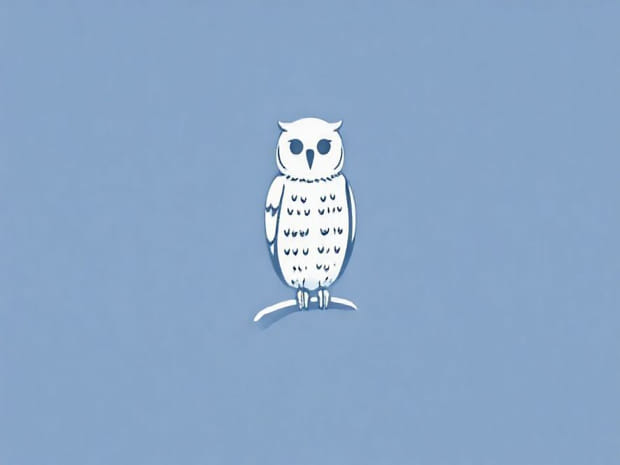
How To Draw A Snowy Owl
There is something magical about the snowy owl that makes artists, beginners and professionals alike, want to capture its essence on paper. With its piercing yellow eyes, striking white feathers, and silent presence in wintry landscapes, the snowy owl offers both beauty and challenge for anyone attempting to draw it. Learning how to draw a snowy owl can be a rewarding process that not only improves artistic skills but also deepens appreciation for wildlife. This step-by-step approach will help you break down the complexity of the bird into manageable stages, making it easier to create a lifelike sketch while adding your own creative touch.
Understanding the Snowy Owl Before You Draw
Before diving into the drawing process, it is important to understand the physical features of the snowy owl. Native to Arctic regions, snowy owls are large birds with rounded heads and striking patterns of white plumage with occasional dark speckles. Their wide wings and sturdy build give them a strong presence, while their eyes stand out as one of their most distinguishing features.
- Round head with no ear tufts
- Large, expressive yellow eyes
- White plumage with varying black or brown speckles
- Strong talons and feathered legs
By keeping these characteristics in mind, your drawing will be more accurate and expressive.
Materials You Will Need
To begin, make sure you have the right tools. While you can draw a snowy owl with just a pencil and paper, having a few extra supplies will improve your results.
- Sketching pencils (HB for light outlines, 2B-6B for shading)
- Eraser (kneaded eraser for highlights, regular eraser for corrections)
- Blending stump or tissue for soft shading
- Drawing paper with some texture
- Optional colored pencils or watercolors if you want to add color
Step-by-Step Guide on How to Draw a Snowy Owl
Step 1 Outline the Basic Shape
Start with light pencil strokes to sketch the overall shape of the snowy owl. Use a large oval for the body and a smaller circle on top for the head. This will help you get the proportions right before adding details. Keep the lines light so they can be erased later.
Step 2 Position the Facial Features
Divide the head circle with light guidelines. Place two large, rounded eyes about halfway down the head. Draw a small triangle-like shape in the center for the beak. Snowy owls have a flat facial disk, so avoid making the head too pointed.
Step 3 Add the Wings and Feathers
Extend lines from the body oval to suggest folded wings. Snowy owls have wide wings that often appear rounded at rest. Sketch feather groupings with soft curves rather than sharp lines to capture their fluffy look.
Step 4 Draw the Legs and Talons
Snowy owls have thick feathered legs that lead into powerful talons. Draw the legs slightly short but covered in feathers, and sketch curved claws gripping onto a branch or snowy ground. This adds realism and anchors your drawing.
Step 5 Refine the Eyes and Beak
The eyes are the soul of the snowy owl drawing. Shade the pupils dark, leaving a tiny white spot for reflection. Darken the outline of the eyes and add shadows around them to make them stand out. Refine the beak by shading lightly and ensuring it looks partially hidden by surrounding feathers.
Step 6 Add Feather Texture
Using short, curved strokes, begin adding feather details across the body. On the wings and chest, add speckles and light shading to suggest the owl’s patterned plumage. Keep the strokes soft to capture the fluffiness of the feathers.
Step 7 Shade for Depth and Realism
Shading brings the snowy owl to life. Darken areas under the wings, around the eyes, and beneath the body to give the drawing depth. Blend gently with a blending stump or tissue for a smooth effect. Add subtle shading around the head to keep it rounded rather than flat.
Step 8 Final Touches
Clean up your drawing by erasing unnecessary guidelines. Add final details such as extra feather texture, highlights in the eyes, and faint background elements if desired. At this point, you can also use colored pencils or watercolors to enhance the snowy white feathers and bright yellow eyes.
Tips for Drawing a Snowy Owl More Effectively
- Use reference photos of snowy owls for accuracy.
- Keep your pencil strokes light until the final stages.
- Focus on the eyes first, as they create the most impact.
- Work from general shapes to fine details for better proportion.
- Practice drawing feathers in layers rather than one by one.
Common Mistakes to Avoid
Many beginners struggle with making their snowy owl look realistic. Here are a few mistakes to avoid
- Drawing the head too pointed instead of rounded.
- Making the body too thin; snowy owls are quite stocky.
- Overdoing the speckles on the feathers, which can make it look messy.
- Forgetting to shade properly, which leaves the owl looking flat.
Why Drawing a Snowy Owl Is a Valuable Practice
Learning how to draw a snowy owl isn’t just about creating a beautiful picture. It’s also an exercise in observation, patience, and technique. Drawing wildlife helps improve your ability to notice details, such as how light interacts with feathers or how anatomy supports posture. Beyond skill-building, capturing a snowy owl on paper connects you with nature and its elegance.
Drawing a snowy owl may seem intimidating at first, but breaking it down into simple steps makes the process approachable and enjoyable. By focusing on basic shapes, carefully placing facial features, and gradually adding feather textures and shading, you can create an artwork that truly reflects the majestic presence of this Arctic bird. Whether you’re sketching as a hobby or improving your art portfolio, practicing how to draw a snowy owl will strengthen your artistic confidence and leave you with a piece that captures both skill and imagination.