Did The Ussr Invade Afghanistan?
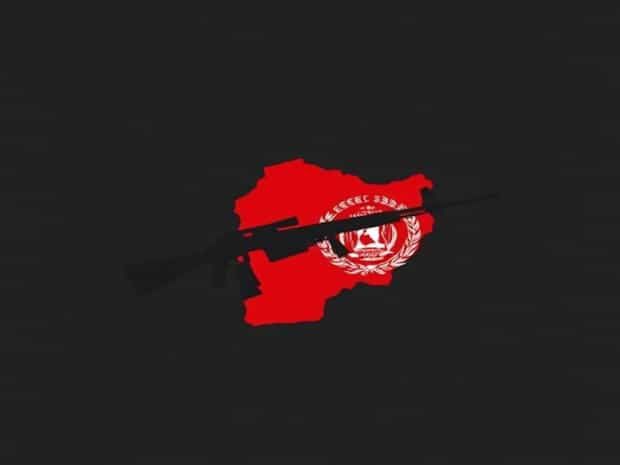
The question of whether the USSR invaded Afghanistan is a significant historical topic that involves understanding the geopolitical tensions, internal Afghan politics, and Cold War dynamics of the late 20th century. In December 1979, the Soviet Union deployed its armed forces into Afghanistan, marking the beginning of a nearly decade-long military presence that had far-reaching consequences for the region, the USSR itself, and global politics. This invasion was not an isolated event but the culmination of a series of political developments, internal conflicts, and ideological considerations that made Afghanistan a focal point of international attention. Examining the reasons, execution, and impact of the Soviet invasion provides a comprehensive understanding of one of the most consequential conflicts of the Cold War era.
Background Afghanistan Before the Invasion
Before the Soviet intervention, Afghanistan was experiencing significant internal unrest. In 1978, a coup known as the Saur Revolution brought the People’s Democratic Party of Afghanistan (PDPA), a communist faction, to power. The PDPA government aimed to implement radical reforms, including land redistribution and modernization efforts, which met with resistance from traditional and religious segments of Afghan society. The country was deeply divided along ethnic, tribal, and ideological lines, creating an environment of political instability that eventually prompted Soviet involvement. The USSR, sharing a border with Afghanistan and maintaining a sphere of influence in the region, viewed the PDPA government as a critical ally in maintaining communist ideology on its periphery.
Political Turmoil and the Rise of the PDPA
The PDPA’s rule was characterized by internal factionalism, political purges, and violent suppression of opposition. The party split into two main factions, Khalq and Parcham, each vying for control, which weakened the government and created a climate of fear and instability. The PDPA sought support from the Soviet Union, expecting military and political backing to maintain its hold on power. However, escalating insurgencies from Mujahideen fighters, who opposed communist rule and were motivated by religious and nationalist ideals, threatened the PDPA’s survival. This unrest set the stage for Soviet intervention, as the USSR feared the collapse of a friendly government and the potential spread of Western influence in the region.
The Soviet Decision to Invade
By late 1979, the Soviet leadership concluded that direct military intervention was necessary to stabilize Afghanistan and protect their strategic interests. The decision was influenced by several factors
- Preservation of a Communist AllyThe PDPA government faced increasing challenges from insurgent groups, risking a collapse that could undermine Soviet influence.
- Regional Security ConcernsAfghanistan shared borders with key Soviet republics, and instability in the region could threaten the USSR’s southern frontier.
- Cold War DynamicsThe Soviet Union was concerned about growing American influence and the potential for Western-aligned regimes to emerge near its borders.
- Internal PDPA RequestsAfghan leaders appealed for Soviet military assistance to suppress uprisings and maintain government authority.
The combination of ideological alignment, geopolitical considerations, and requests for aid led to the Soviet Union deploying troops into Afghanistan on December 24, 1979, marking the beginning of what is widely recognized as a full-scale invasion.
Execution of the Invasion
The Soviet invasion involved a rapid and large-scale deployment of military forces. Key objectives included securing the capital, Kabul, protecting PDPA leadership, and suppressing opposition forces. Soviet troops quickly occupied strategic cities, transportation hubs, and key military positions. The operation initially aimed to stabilize the government, but it soon evolved into a protracted conflict against insurgent groups employing guerrilla warfare tactics. The rugged terrain of Afghanistan, combined with the resilience of local fighters, made it difficult for Soviet forces to achieve complete control, prolonging the conflict and increasing casualties.
Response and Resistance
The Soviet invasion triggered widespread resistance from Afghan Mujahideen fighters, who were motivated by religious, nationalist, and anti-communist sentiments. These groups received varying degrees of support from foreign countries, including the United States, Pakistan, and Saudi Arabia, which viewed the conflict as part of the broader Cold War struggle against Soviet influence. The resistance employed guerrilla tactics, leveraging knowledge of the mountainous terrain, and carried out ambushes, sabotage, and attacks on Soviet supply lines. This intense resistance made the occupation costly and ultimately unsustainable for the USSR.
International Reaction
The invasion of Afghanistan was met with condemnation from much of the international community. The United Nations General Assembly passed resolutions criticizing the Soviet action as a violation of Afghan sovereignty. Many Western nations, led by the United States, imposed economic sanctions and boycotted the 1980 Moscow Olympics to protest the invasion. The conflict became a key front in the Cold War, illustrating the global ideological struggle between communism and Western-aligned capitalism.
Consequences of the Invasion
The Soviet invasion of Afghanistan had profound consequences for the region, the USSR, and the wider world
- Prolonged ConflictThe war lasted nearly ten years, from 1979 to 1989, resulting in massive loss of life and widespread destruction in Afghanistan.
- Economic and Political Strain on the USSRThe prolonged military engagement drained Soviet resources, contributed to domestic discontent, and weakened the overall economy.
- Rise of Extremist GroupsThe conflict facilitated the growth of militant Islamist groups, some of which would later play significant roles in regional and global terrorism.
- Refugee CrisisMillions of Afghans fled to neighboring countries, particularly Pakistan and Iran, creating long-term humanitarian and political challenges.
- Impact on Cold War DynamicsThe war intensified the rivalry between the United States and the Soviet Union, with Afghanistan becoming a proxy battleground for superpower competition.
End of Soviet Involvement
The Soviet Union began withdrawing its troops in 1988 under the Geneva Accords, completing the withdrawal by February 1989. The withdrawal marked a significant defeat for the USSR, demonstrating the limits of military power in achieving political objectives in Afghanistan. The conflict exposed vulnerabilities within the Soviet system, contributing to the eventual dissolution of the USSR in 1991. For Afghanistan, the departure of Soviet forces did not bring peace, as civil war continued between various factions vying for control.
Historical Debate
Historians debate the motivations and implications of the Soviet invasion. Some argue it was primarily a defensive move to protect a communist ally and secure regional stability. Others suggest it was an aggressive expansion of Soviet influence, disregarding Afghan sovereignty. Regardless of interpretation, the invasion is universally recognized as a pivotal event in 20th-century history, shaping international relations, Cold War strategy, and the modern geopolitical landscape of Central and South Asia.
Legacy of the Invasion
The Soviet invasion of Afghanistan left a lasting legacy. It influenced global counterterrorism strategies, shaped U.S. foreign policy in the region, and contributed to decades of instability in Afghanistan. The term Afghan War” often refers to this period, highlighting the intensity and significance of the conflict. Lessons from this invasion continue to inform military, political, and humanitarian approaches to intervention in conflict zones worldwide.
Yes, the USSR did invade Afghanistan in December 1979, deploying troops to support a communist government facing internal opposition. The invasion was driven by a combination of ideological, geopolitical, and strategic factors and resulted in a prolonged and costly conflict for both Afghanistan and the Soviet Union. The war had far-reaching consequences, influencing the trajectory of the Cold War, the rise of militant groups, and regional stability in Central and South Asia. Understanding the invasion involves examining the historical context, motivations, execution, and aftermath, all of which highlight the complex interplay between national interests, ideology, and the human cost of military intervention. The Soviet invasion of Afghanistan remains a key case study in modern history, demonstrating how foreign intervention can reshape nations, alliances, and global geopolitics for decades to come.
In summary, the USSR’s intervention in Afghanistan was not only a military endeavor but also a significant historical event with enduring consequences. It exemplifies the challenges of foreign occupation, the impact of ideological conflicts, and the strategic calculations that drive nations to take extreme measures. The invasion and the subsequent resistance fundamentally altered Afghanistan’s political landscape, contributed to superpower tensions during the Cold War, and left lessons for policymakers and historians studying the dynamics of international conflict.
“