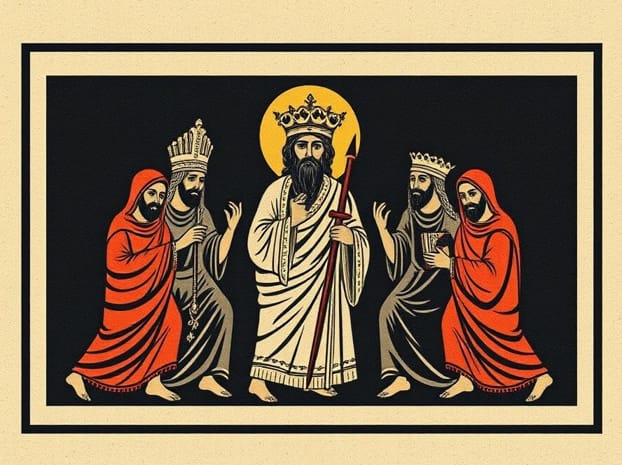
Demetrius In The Bible Maccabees
The figure of Demetrius in the Bible, particularly in the Books of the Maccabees, plays a significant role in understanding the historical and political context of the Jewish people during the Hellenistic period. Demetrius is referenced as a ruler whose actions and decisions impacted the struggles faced by the Maccabees, a Jewish rebel group striving to restore religious freedom and independence. Exploring Demetrius’ role in these biblical texts provides insight into the complex interactions between Jewish leaders, foreign powers, and the challenges of maintaining faith and identity in a politically turbulent era. His presence in the narrative helps illustrate the broader historical backdrop against which the Maccabean revolt unfolded.
Historical Context of Demetrius
Demetrius was part of the Seleucid dynasty, a Hellenistic kingdom that arose following the division of Alexander the Great’s empire. During this period, the Jewish people in Judea faced significant pressure to assimilate into Greek culture, leading to tensions between traditional Jewish practices and Hellenistic influences. Demetrius, as a Seleucid ruler, played a key role in this period of upheaval, interacting with Jewish leaders, including the Hasmoneans, who led the Maccabean revolt. Understanding his political and military strategies is crucial to grasping the historical significance of the events described in the Books of the Maccabees.
Demetrius’ Role in the Maccabean Narrative
The Books of the Maccabees, part of the Apocrypha in many Christian traditions, recount the struggles of the Jewish people under foreign rule. Demetrius appears in these texts as a figure whose decisions and actions influence the course of the revolt. He is often portrayed as a ruler who manipulates alliances and power structures to maintain control over Judea, creating both obstacles and opportunities for the Maccabees. His interactions with key figures such as Judas Maccabeus and Jonathan highlight the delicate balance of diplomacy, warfare, and religious leadership during this turbulent period.
Demetrius’ Political Strategies
Demetrius’ reign was characterized by a combination of military campaigns, strategic alliances, and attempts to consolidate power within the Seleucid Empire. His approach to Judea often involved supporting certain factions while opposing others, depending on the political advantage. This created a complex environment for the Maccabees, who had to navigate not only local opposition but also the broader strategies of a powerful Hellenistic ruler. The texts reveal that Demetrius’ policies directly affected the leadership and decision-making of the Jewish rebels.
Interactions with the Maccabees
Demetrius’ dealings with the Maccabees were shaped by both political necessity and the shifting alliances of the time. He initially recognized the authority of Jewish leaders like Jonathan, granting certain freedoms in exchange for loyalty to the Seleucid throne. At other times, he opposed the Maccabees’ efforts, sending military forces to suppress revolts and challenge their leadership. These interactions illustrate the tension between imperial authority and local autonomy, highlighting the strategic skills of the Maccabean leaders in negotiating survival and independence.
Religious and Cultural Implications
The period of Demetrius’ influence over Judea was marked by significant religious and cultural tensions. Hellenization, the spread of Greek culture and practices, threatened traditional Jewish observances and the autonomy of the Jewish priesthood. Demetrius’ policies, whether through direct enforcement or indirect support of Hellenistic practices, created an environment where the Maccabees’ efforts to preserve Jewish identity became a central focus. The narrative emphasizes the importance of faith, tradition, and cultural resilience in the face of external pressures.
The Maccabean Response
Under the leadership of Judas Maccabeus and his successors, the Jewish rebels responded to these pressures with a combination of military resistance and political negotiation. The Maccabees worked to reclaim religious sites, enforce Jewish law, and secure political recognition from both local and foreign powers. Demetrius’ presence in the narrative underscores the challenges they faced in balancing rebellion, diplomacy, and the preservation of their religious heritage. This dynamic shaped the course of Jewish history and contributed to the eventual establishment of an independent Jewish state for a period of time.
Legacy of Demetrius in the Biblical Texts
In the Books of the Maccabees, Demetrius is remembered as a powerful but often adversarial figure whose decisions had lasting effects on Judea and the Jewish people. His role highlights the influence of external political forces on local communities and the challenges of maintaining cultural and religious identity under foreign domination. By examining his actions, readers gain a clearer understanding of the historical context of the Maccabean revolt and the interplay between political authority and spiritual resilience.
Lessons from Demetrius’ Reign
Several lessons emerge from the narrative of Demetrius in the Bible
- The importance of strategic leadership in times of political and cultural conflict
- The challenges faced by minority communities under imperial rule
- The significance of balancing diplomacy with the preservation of cultural and religious identity
- The impact of external political pressures on local religious movements
- The role of faith and perseverance in overcoming adversity
Demetrius in the Bible, particularly in the context of the Maccabean revolt, serves as a reminder of the complex interplay between political power and religious commitment. His actions influenced the course of Jewish history, shaping the strategies and resilience of the Maccabees. By studying Demetrius and his role in the Books of the Maccabees, readers gain insight into the historical, cultural, and spiritual challenges faced by the Jewish people during the Hellenistic period. The narrative demonstrates that even in the face of powerful external forces, faith, leadership, and determination can guide communities toward preserving their identity, values, and traditions for future generations.