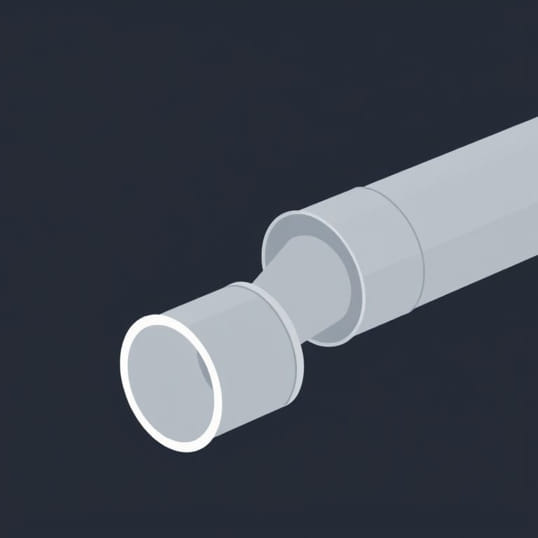
Compressible Tube Expansion Joint
In piping systems and industrial applications, movement and flexibility are essential to prevent damage caused by pressure, thermal expansion, and vibration. A compressible tube expansion joint is a vital component designed to absorb these stresses and protect both equipment and infrastructure. By allowing controlled flexibility, this type of joint enhances the performance and longevity of pipelines, engines, and machinery. Understanding how a compressible tube expansion joint works, its types, and its applications helps engineers, technicians, and industries choose the right solution for reliable operation.
What is a Compressible Tube Expansion Joint?
A compressible tube expansion joint is a device used to accommodate changes in length, position, or angle in piping or ducting systems. It consists of a flexible tube, usually made of metal, rubber, or composite material, that compresses or expands when subjected to movement. These joints are designed to relieve stresses caused by thermal expansion, vibration, seismic activity, or pressure fluctuations. Without them, pipes and equipment could suffer from cracking, misalignment, or even catastrophic failure.
Functions and Importance
The primary function of a compressible tube expansion joint is to provide flexibility in rigid piping systems. Unlike solid joints, these components are built to handle different types of movement, including
- Axial movement– absorbing expansion or contraction along the length of the pipe.
- Lateral movement– accommodating side-to-side displacement due to shifting foundations or structural adjustments.
- Angular movement– allowing pipes to bend at small angles without damage.
This flexibility ensures that the system remains safe and operational, even under demanding conditions such as high pressure or extreme temperatures.
Materials Used in Expansion Joints
The choice of material in a compressible tube expansion joint depends on the application, operating conditions, and fluid type being transported. Common materials include
- Metallic– stainless steel, carbon steel, or Inconel for high-temperature and high-pressure applications.
- Rubber– elastomeric compounds like EPDM, neoprene, or natural rubber for flexibility and vibration absorption.
- Fabric– multilayer composites with PTFE, fiberglass, or aramid fibers for lightweight ducting systems.
Each material provides unique properties, making it suitable for specific industries and working conditions.
Types of Compressible Tube Expansion Joints
There are several types of expansion joints, each designed for different functions and system requirements. The most common include
Metal Bellows Expansion Joints
These are made from thin-walled metal tubes that compress and expand to absorb movement. They are highly durable and commonly used in refineries, chemical plants, and power stations where high pressure and temperature resistance is required.
Rubber Expansion Joints
Rubber joints are designed for flexibility and vibration absorption. They are often found in water treatment plants, HVAC systems, and pump installations. Their elasticity makes them ideal for absorbing shock and reducing noise transmission in piping systems.
Fabric Expansion Joints
Fabric expansion joints are lightweight and flexible, making them suitable for ductwork that handles gases, hot air, or ventilation systems. They are widely used in cement plants, steel mills, and power generation facilities where movement and misalignment occur frequently.
Applications of Compressible Tube Expansion Joints
Compressible tube expansion joints are used in a wide range of industries, serving critical functions where thermal movement and vibration must be managed. Some applications include
- Petrochemical and refinery piping systems
- Power generation plants, including steam and gas turbines
- HVAC and ventilation systems
- Marine and shipbuilding industries
- Water and wastewater treatment facilities
- Mining and material processing plants
Advantages of Using Expansion Joints
The use of a compressible tube expansion joint offers several benefits that improve the efficiency and durability of piping systems
- Reduces stress on pipes and equipment caused by thermal expansion
- Absorbs vibration and noise, enhancing comfort in HVAC applications
- Prevents leaks and structural damage due to misalignment
- Extends the lifespan of piping systems by reducing fatigue
- Improves safety in high-pressure and high-temperature environments
Design Considerations
When selecting a compressible tube expansion joint, engineers must consider several design factors to ensure optimal performance
- Operating pressure and temperature– to select the right material and wall thickness.
- Type of fluid or gas– chemical compatibility with rubber, metal, or fabric components.
- Expected movements– axial, lateral, or angular displacement that must be absorbed.
- Installation environment– exposure to weather, UV light, or corrosive conditions.
Installation and Maintenance
Proper installation is crucial for ensuring the effectiveness of compressible tube expansion joints. Key practices include
- Aligning the joint with the piping system to prevent unnecessary stress.
- Avoiding overextension or compression beyond design limits.
- Using appropriate anchors and guides to control movement.
- Conducting regular inspections for wear, leaks, or deformation.
Routine maintenance ensures that the expansion joints continue to perform as intended and helps prevent costly downtime.
Challenges and Limitations
While highly effective, compressible tube expansion joints also come with certain challenges. For instance, rubber joints may degrade when exposed to chemicals or UV light. Metal bellows, although durable, may be prone to fatigue if subjected to excessive vibration. Fabric joints, while flexible, may not withstand very high pressures. Choosing the right type for the application is essential to overcome these limitations.
Future Trends in Expansion Joint Technology
With ongoing developments in material science and manufacturing techniques, expansion joint technology is evolving rapidly. Modern designs incorporate advanced alloys, reinforced composites, and engineered elastomers to improve durability and performance. Smart monitoring systems are also being integrated into piping networks, allowing real-time assessment of expansion joint condition to predict maintenance needs and avoid unexpected failures.
A compressible tube expansion joint is a critical component in maintaining the safety and efficiency of modern piping systems. By absorbing movement, vibration, and thermal stress, these joints protect both equipment and infrastructure from damage. Whether made from metal, rubber, or fabric, their proper selection and maintenance play an essential role in extending the lifespan of industrial systems. As industries continue to advance, the role of compressible tube expansion joints will remain central in ensuring reliable and sustainable operations.