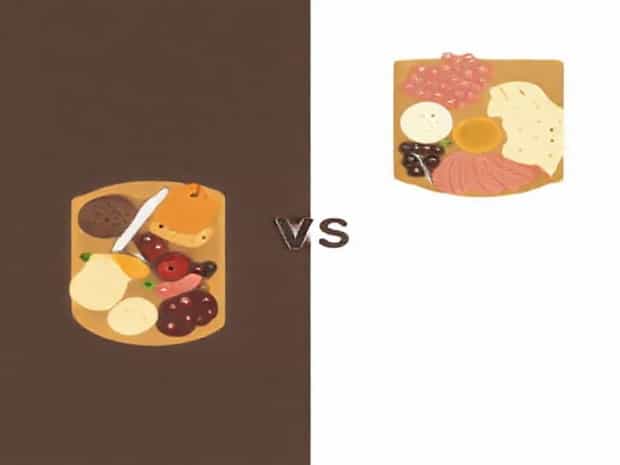
Charcuterie Board Vs Smorgasbord
When it comes to entertaining or enjoying a variety of foods, charcuterie boards and smorgasbords are two popular options that often come up in discussions of appetizers and meal presentations. Both offer a way to serve multiple items in a visually appealing and interactive manner, but they have distinct histories, purposes, and compositions. A charcuterie board typically focuses on cured meats, cheeses, and complementary accompaniments, while a smorgasbord offers a broader array of dishes, often inspired by Swedish tradition, that can include hot and cold foods, salads, breads, and desserts. Understanding the differences between these two approaches helps hosts create the right experience for their guests, whether aiming for an intimate gathering or a lavish buffet-style presentation. Exploring the components, presentation styles, and occasions for charcuterie boards and smorgasbords highlights the unique appeal of each option.
What is a Charcuterie Board?
A charcuterie board is a carefully curated selection of cured meats, cheeses, and various accompaniments arranged on a wooden board or platter. The term charcuterie originates from French culinary tradition, referring to the art of preparing cured and preserved meats such as salami, prosciutto, and pâtés. Over time, charcuterie boards have evolved into stylish, shareable platters that combine flavors, textures, and colors in an aesthetically pleasing way. These boards often include fruits, nuts, pickles, spreads, and artisan bread or crackers to complement the meats and cheeses.
Typical Components of a Charcuterie Board
- Cured MeatsProsciutto, salami, chorizo, and other smoked or dried meats.
- CheesesA mix of soft, hard, aged, and fresh cheeses such as brie, gouda, cheddar, or blue cheese.
- AccompanimentsFresh or dried fruits, nuts, olives, pickles, and small spreads like mustard or honey.
- Breads and CrackersArtisan breads, baguette slices, or assorted crackers to serve as a base for meats and cheeses.
Purpose and Occasions
Charcuterie boards are ideal for social gatherings, cocktail parties, or wine tastings. They encourage mingling, sharing, and casual eating, making them perfect for appetizers or light meals. The focus on curated ingredients allows hosts to highlight quality and presentation, creating a visually appealing centerpiece that sparks conversation and enjoyment.
What is a Smorgasbord?
A smorgasbord is a buffet-style meal that originated in Sweden and typically features a wide variety of hot and cold dishes. Unlike a charcuterie board, which focuses primarily on cured meats and cheeses, a smorgasbord is designed to provide a comprehensive meal with multiple courses and options for diners. Smorgasbords often include seafood, meats, salads, breads, vegetables, and desserts, allowing guests to sample a little of everything and customize their plates according to taste. This format emphasizes variety, abundance, and the communal sharing of food.
Typical Components of a Smorgasbord
- Cold DishesPickled herring, smoked salmon, cold cuts, cheeses, and salads.
- Hot DishesMeatballs, roasted or grilled meats, casseroles, and hot vegetables.
- Breads and PastriesRye bread, crispbread, rolls, and sweet pastries.
- AccompanimentsMustards, sauces, jams, and condiments to enhance flavors.
- DessertsCakes, cookies, and seasonal fruits.
Purpose and Occasions
Smorgasbords are suited for larger gatherings, formal events, or holiday celebrations where guests may want a full meal with diverse options. They provide flexibility for different tastes and dietary preferences, and their buffet-style presentation allows guests to serve themselves according to appetite and preference. The focus is on abundance, variety, and an inclusive dining experience that can accommodate many people.
Key Differences Between Charcuterie Boards and Smorgasbords
While both charcuterie boards and smorgasbords emphasize presentation and sharing, they differ in scope, composition, and purpose.
Scope and Focus
Charcuterie boards have a narrower focus on cured meats, cheeses, and complementary items, making them more specialized and refined. Smorgasbords, on the other hand, provide a broad array of dishes, encompassing entire meals with multiple courses and hot and cold options.
Presentation Style
Charcuterie boards are typically presented on a single platter or board, emphasizing visual appeal and arrangement of ingredients. Smorgasbords are arranged buffet-style with separate serving dishes for each component, encouraging guests to select their preferred portions and combinations.
Portion and Quantity
Charcuterie boards often serve as appetizers or small-plate options for social gatherings, with moderate portions designed for sampling. Smorgasbords are intended as complete meals, offering generous quantities and a wide variety of dishes to ensure that guests can enjoy multiple courses and satisfy different appetites.
Occasion Suitability
Charcuterie boards are ideal for intimate gatherings, wine tastings, cocktail parties, or as a centerpiece appetizer. Smorgasbords are better suited for larger events, festive occasions, or holiday meals where a full array of dishes is appropriate and guests are expected to serve themselves multiple times.
Choosing Between a Charcuterie Board and a Smorgasbord
Deciding whether to serve a charcuterie board or a smorgasbord depends on the event type, guest preferences, and the desired dining experience. Hosts who want a visually striking, sophisticated appetizer may opt for a charcuterie board. Those planning a larger gathering with diverse tastes or a celebratory meal may choose a smorgasbord to provide variety and fullness. Considering factors such as preparation time, available space, and dietary restrictions also helps in making the right choice.
Complementary Pairings
Both charcuterie boards and smorgasbords can be paired with beverages to enhance the experience. Wine, beer, and non-alcoholic options complement charcuterie boards, while smorgasbords may benefit from a range of beverages suited to the different courses, including sparkling water, cider, or specialty cocktails.
Tips for Creating a Successful Charcuterie Board
- Include a variety of textures, colors, and flavors to create visual and taste appeal.
- Use fresh fruits, nuts, and spreads to complement meats and cheeses.
- Offer a selection of breads and crackers for versatility.
- Arrange items in an organized, visually pleasing manner for maximum impact.
- Consider dietary restrictions and provide options like gluten-free crackers or vegetarian accompaniments.
Tips for Creating a Successful Smorgasbord
- Plan a balanced mix of hot and cold dishes to provide variety.
- Include a range of proteins, vegetables, and carbohydrates to satisfy different preferences.
- Organize the buffet for easy access, grouping similar items together.
- Label dishes clearly to inform guests of ingredients and potential allergens.
- Prepare some dishes in advance to reduce stress on the day of the event.
Charcuterie boards and smorgasbords both offer engaging ways to present food, but they serve different purposes and suit different occasions. Charcuterie boards focus on quality, flavor, and visual appeal with a curated selection of meats, cheeses, and accompaniments, ideal for appetizers or smaller gatherings. Smorgasbords provide a more extensive array of dishes, including hot and cold options, desserts, and sides, making them suitable for larger events or full meals. Understanding these differences allows hosts to select the right approach for their event, ensuring that guests enjoy a memorable and satisfying dining experience. Whether opting for the refined elegance of a charcuterie board or the abundant variety of a smorgasbord, both options celebrate the art of sharing food, creating opportunities for connection, conversation, and culinary enjoyment.
Overall, choosing between a charcuterie board and a smorgasbord involves considering factors such as the number of guests, meal context, and desired level of variety. Both approaches have their merits and can be tailored to suit specific tastes and dietary needs. By thoughtfully curating the components and presentation, hosts can create a dining experience that is not only delicious but also visually impressive, encouraging guests to savor the flavors and enjoy the social aspects of shared meals. Whether for a casual gathering, a festive celebration, or a sophisticated evening, understanding the distinctions between these two styles ensures a successful and enjoyable culinary experience.