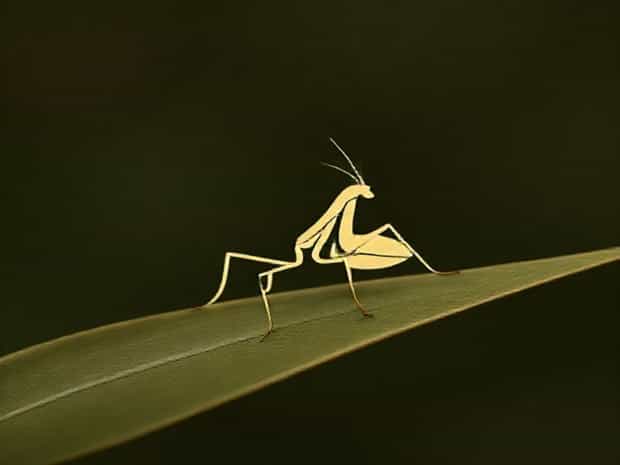
Malaysian Dead Leaf Mantis
The Malaysian dead leaf mantis is one of the most fascinating examples of nature’s ingenuity when it comes to camouflage and survival. Native to the tropical rainforests of Malaysia, this remarkable insect has evolved to mimic dead leaves perfectly, making it almost invisible to predators and unsuspecting prey alike. Its intricate body patterns, delicate coloration, and leaf-like appendages not only serve as protection but also as an effective hunting mechanism. For enthusiasts, researchers, and educators, the Malaysian dead leaf mantis offers an incredible glimpse into the complexity of adaptation and the subtleties of rainforest ecosystems.
Physical Characteristics of the Malaysian Dead Leaf Mantis
The Malaysian dead leaf mantis exhibits an extraordinary resemblance to dried leaves. Adults typically measure between 6 and 8 centimeters in length, though this can vary depending on gender and environmental conditions. The mantis has a flattened body and wings shaped and colored like dead foliage. Its body features veins, patches, and irregular edges that enhance the illusion of a leaf, complete with imperfections that mimic natural decay. These details make it nearly impossible to spot when it is stationary among leaf litter or foliage.
Coloration and Camouflage
One of the most striking features of the Malaysian dead leaf mantis is its coloration. Shades of brown, tan, and even subtle green patterns blend seamlessly with the forest floor. The edges of the wings often appear torn or ragged, further enhancing the leaf mimicry. This camouflage serves a dual purpose it protects the mantis from predators such as birds, frogs, and larger insects, and it allows the mantis to ambush prey with remarkable efficiency.
Habitat and Distribution
The Malaysian dead leaf mantis is endemic to the humid, tropical forests of Southeast Asia, particularly Malaysia. It thrives in environments with abundant leaf litter, understory vegetation, and moderate to dense canopy cover. These conditions provide the perfect backdrop for its camouflage and hunting strategy. While primarily terrestrial, it is also adept at navigating shrubs and low tree branches, making it versatile in both leaf litter and vegetation.
Microhabitats
- Forest floor among fallen leaves and decomposing organic matter
- Understory shrubs and low branches where prey insects are abundant
- Edges of rivers or streams where moisture and humidity are high
Behavior and Hunting Strategies
The Malaysian dead leaf mantis is an ambush predator, relying heavily on stealth and patience. It remains motionless for long periods, blending perfectly with its surroundings, until an unsuspecting insect comes within striking range. Using its raptorial forelegs, the mantis quickly snatches prey such as flies, crickets, and other small insects. Its ability to remain perfectly still and its lightning-fast reflexes make it a highly effective predator despite its modest size.
Defensive Behavior
When threatened, the mantis may adopt defensive postures that exaggerate its leaf-like appearance. Some species may also display deimatic behaviors, such as spreading wings with eyespots to startle predators, though the Malaysian dead leaf mantis primarily relies on invisibility as its main defense. This combination of camouflage and behavioral adaptations ensures survival in a forest teeming with predators.
Life Cycle and Reproduction
The life cycle of the Malaysian dead leaf mantis is similar to that of other mantids. It begins as an egg, laid in a protective ootheca that guards against predators and environmental stress. After hatching, the nymphs resemble miniature versions of adults but with less pronounced camouflage. They undergo several molts, gradually developing their full leaf-like appearance. Sexual dimorphism is common, with females generally larger and heavier-bodied than males, reflecting their reproductive role.
Egg and Nymph Development
- Eggs are laid in small clusters within a frothy ootheca attached to leaves or branches.
- Nymphs emerge looking like tiny brown leaves, which helps protect them during vulnerable early stages.
- Molting occurs multiple times before reaching adulthood, with each molt enhancing the camouflage and wing development.
Diet and Ecological Role
The Malaysian dead leaf mantis primarily feeds on insects, which it captures with its powerful forelegs. By controlling insect populations, it plays a vital role in maintaining the ecological balance of its rainforest habitat. Its predatory behavior helps regulate the numbers of herbivorous insects, indirectly contributing to the health of surrounding plants and trees. Additionally, as prey for larger predators, the mantis is an integral part of the food web in Malaysian rainforests.
Interactions with Other Species
- Preys on small insects such as crickets, flies, and moths.
- Serves as prey for birds, reptiles, and larger insects.
- Coexists with other camouflaged species, contributing to a complex ecological network.
Conservation and Threats
While not currently listed as endangered, the Malaysian dead leaf mantis faces threats from habitat loss and deforestation. Logging, agricultural expansion, and urban development reduce the dense rainforest areas crucial for its survival. The destruction of leaf litter and understory vegetation directly impacts its ability to hunt and hide from predators. Conservation efforts focusing on rainforest preservation indirectly support the survival of this unique species, ensuring that it continues to thrive in its natural habitat.
Protective Measures
- Preservation of tropical rainforest habitats
- Promotion of sustainable forestry practices
- Education and awareness programs highlighting the ecological role of camouflaged predators
Importance in Education and Research
The Malaysian dead leaf mantis is a valuable species for education and scientific research. Its remarkable camouflage provides an excellent example of natural selection and adaptation, making it a popular subject in biology classes and entomology studies. Researchers study its morphology, behavior, and ecological interactions to gain insights into predator-prey dynamics, evolution, and biodiversity. The mantis also captivates hobbyists and insect enthusiasts who appreciate its aesthetic appeal and fascinating survival strategies.
Observation Tips
- Search slowly among leaf litter and low vegetation during daylight hours.
- Look for subtle movements or shapes resembling dead leaves.
- Maintain a respectful distance to avoid disturbing the mantis in its natural environment.
The Malaysian dead leaf mantis stands as a testament to the ingenuity of evolution, with its extraordinary camouflage, efficient hunting strategies, and subtle behavioral adaptations. From its flattened, leaf-like body to its patient ambush tactics, it embodies the perfect blend of form and function. Its ecological role, educational value, and visual appeal make it a fascinating species for researchers, conservationists, and insect enthusiasts alike. Preserving its natural habitat ensures that this master of disguise continues to thrive in the lush rainforests of Malaysia, offering endless opportunities for discovery and admiration.