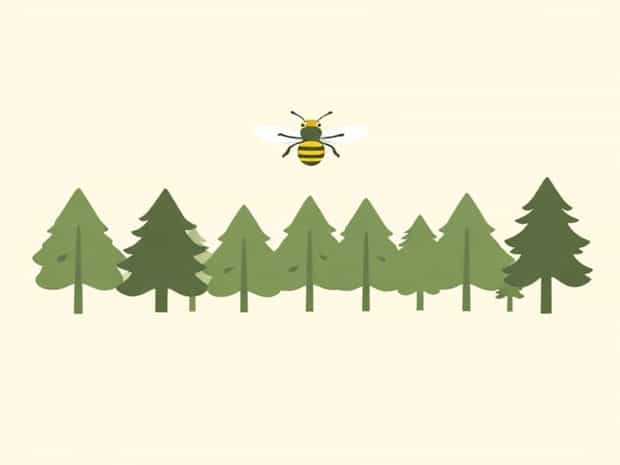
Make A Beeline For The Treeline
The phrase make a beeline for the treeline evokes a vivid image of movement, urgency, and natural instinct. It is often used in literature, storytelling, and everyday conversation to describe someone or something moving directly and swiftly toward a destination, often for safety, cover, or strategic advantage. While it might seem like a simple idiom at first glance, its meaning and usage have deeper implications in outdoor activities, survival situations, and metaphorical contexts, emphasizing decisiveness, focus, and instinctual decision-making.
Origins and Meaning of the Phrase
The expression make a beeline has its roots in observing the behavior of bees. Bees are known for their direct flight from their hive to a source of nectar, creating the shortest and most efficient path possible. This imagery has been adopted in human language to convey swift, direct action. When combined with treeline, the phrase gains additional layers of meaning, often suggesting a movement toward safety, natural boundaries, or a strategic point in outdoor scenarios.
Understanding Treeline
In environmental and geographic terms, the treeline refers to the edge of a habitat where trees cease to grow, usually due to elevation, climate, or other ecological factors. It marks a natural boundary, often representing safety, shelter, or the limit of exposure. In metaphorical usage, heading toward the treeline can symbolize moving toward protection, clarity, or a turning point in one’s journey.
Applications in Outdoor Activities
In outdoor adventures, hiking, and survival situations, making a beeline for the treeline can be both a literal and strategic action. For instance, in open fields or mountainous terrains, the treeline can provide shade, cover, or protection from harsh elements. Travelers, hikers, or wildlife often instinctively move toward these natural boundaries for security and orientation.
Survival and Safety Considerations
- Protection from WeatherTrees can provide shelter from wind, rain, or sun exposure.
- OrientationTreelines often serve as natural landmarks for navigation.
- SafetyDense forest edges can offer concealment from predators or hazards in the wild.
- Resource AccessTreelines may offer food sources, such as berries or edible plants, and water from nearby streams.
Understanding the importance of moving decisively toward the treeline can be a matter of survival. In emergencies, hesitation can increase exposure to danger, making the concept of a beeline toward safety a crucial instinct.
Metaphorical Use in Everyday Life
Beyond outdoor activities, make a beeline for the treeline has metaphorical applications in life, business, and personal development. It suggests acting with purpose, focusing on goals, and seeking protection or support when needed. In conversations, it can describe someone moving quickly toward a solution, opportunity, or safe position, emphasizing decisiveness and clarity of intent.
Examples of Metaphorical Usage
- In a corporate setting An employee might make a beeline for a mentor or senior manager to seek guidance.
- In social contexts A person might make a beeline for a trusted friend in a crowded gathering.
- In personal growth Someone may make a beeline for learning resources or experiences that enhance skill and knowledge.
These examples show that the idiom encourages proactive behavior, intentional decision-making, and swift action in pursuit of favorable outcomes.
Psychological and Behavioral Insights
The idea of making a beeline for the treeline also taps into psychological principles of risk management and instinctive behavior. Humans, like animals, often seek safety and security when faced with uncertainty or danger. Heading directly toward a familiar or protective environment reflects natural instincts for survival and well-being. This behavior is reinforced by experiences, learning, and awareness of one’s environment.
Decision-Making and Focus
- Instinct vs. AnalysisMaking a beeline often relies on quick instincts, though it can also involve calculated decision-making.
- Goal-Oriented BehaviorThe action emphasizes focus and determination toward a specific objective.
- Minimizing RiskSwift, direct action helps reduce exposure to potential threats or hazards.
By understanding these psychological aspects, the phrase can be appreciated not only as an idiom but as a reflection of fundamental human and animal behaviors.
Storytelling and Literary Significance
Writers and storytellers often use the phrase to convey urgency, tension, or clarity of purpose in a scene. When a character makes a beeline for the treeline, it can signify a turning point, escape, or decisive action. This usage enriches narratives by combining literal movement with symbolic meaning, enhancing the reader’s understanding of character motivation and situational dynamics.
Examples in Literature
- In adventure novels, protagonists often make a beeline for the treeline to escape threats or find safety.
- In survival stories, this movement symbolizes instinctual wisdom and resilience.
- In metaphorical writing, the treeline may represent a goal, limit, or sanctuary, with the beeline reflecting determination and focus.
These literary applications underscore how the phrase communicates both action and underlying meaning, making it a versatile tool for writers and speakers alike.
Practical Advice for Using the Phrase
Understanding the nuances of make a beeline for the treeline allows for precise and effective communication. Whether in writing, conversation, or teaching, the phrase conveys urgency, direction, and focus. Its use can be enhanced by considering context, audience, and intended symbolism.
Tips for Effective Use
- Use in outdoor or adventure contexts to describe literal movement toward safety.
- Apply metaphorically to illustrate decisive action, goal pursuit, or seeking support.
- Combine with descriptive language to enhance imagery and emotional impact.
- Ensure clarity by providing context for the treeline or destination being referenced.
With careful application, the idiom becomes a powerful tool for communication, capturing both immediacy and symbolic significance in a concise phrase.
The phrase make a beeline for the treeline carries layers of meaning, encompassing literal movement, instinctual behavior, and metaphorical insight. It draws from natural observation, highlighting the efficiency and decisiveness seen in bees, while also reflecting human tendencies to seek safety, focus, and purpose. In outdoor activities, it emphasizes survival strategies and practical decision-making, whereas in literary and metaphorical contexts, it illustrates urgency, determination, and goal-oriented behavior. Understanding and using this phrase effectively allows individuals to communicate action, intent, and symbolic meaning with clarity and impact, making it a versatile addition to both language and thought.