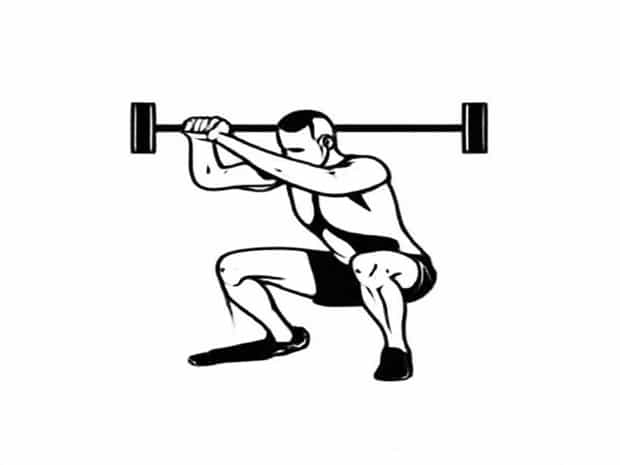
John Meadows Bulgarian Split Squat
The Bulgarian split squat is a highly effective lower-body exercise that has gained popularity among bodybuilders, strength athletes, and fitness enthusiasts for its ability to target the quadriceps, glutes, and hamstrings while improving balance and stability. John Meadows, a renowned bodybuilder and coach, often emphasized the Bulgarian split squat in his leg training programs, highlighting its unique benefits for muscle growth and functional strength. Understanding Meadows’ approach to this exercise, including technique, variations, and programming, can help athletes maximize results and reduce the risk of injury. By incorporating the Bulgarian split squat into a well-rounded lower-body routine, individuals can develop strength, symmetry, and overall leg development efficiently.
What is the Bulgarian Split Squat?
The Bulgarian split squat is a single-leg exercise performed with the rear foot elevated on a bench or platform, while the front leg performs a squat-like movement. Unlike traditional squats, this variation isolates one leg at a time, allowing for increased focus on individual muscle activation and correcting imbalances. John Meadows often referred to it as a leg builder’s secret due to its ability to target the quadriceps and glutes intensely while minimizing lower-back strain.
Muscles Targeted
The Bulgarian split squat primarily engages the quadriceps, gluteus maximus, and hamstrings. Secondary muscles, including the calves, adductors, and stabilizing muscles of the core, are also activated. Meadows recommended emphasizing proper form to ensure maximum muscle engagement and avoid over-reliance on the rear leg.
- QuadricepsThe front leg performs the majority of the squatting motion, creating significant tension in the quads.
- GlutesThe gluteal muscles of the front leg are heavily involved in hip extension, contributing to overall leg development.
- HamstringsHamstrings assist in stabilizing the knee and hip during the movement.
- Core MusclesEngaged for balance and stability throughout the exercise.
John Meadows’ Approach to the Bulgarian Split Squat
John Meadows emphasized several key principles when incorporating the Bulgarian split squat into a leg routine. His approach focused on mind-muscle connection, proper form, and progressive overload. Meadows believed that performing the exercise correctly could lead to significant hypertrophy without placing undue stress on the lower back.
Technique Tips from John Meadows
Meadows recommended the following technique points for optimal performance
- Foot PlacementThe front foot should be positioned far enough forward so that the knee does not extend past the toes during the descent.
- Rear Foot ElevationThe rear foot can rest on a bench, stability ball, or elevated platform, providing support without contributing excessively to the lift.
- Controlled DescentLower the body slowly to maximize tension on the quadriceps and glutes.
- Mind-Muscle ConnectionFocus on contracting the front leg muscles rather than relying on momentum.
- Core EngagementMaintain a tight core to stabilize the torso and prevent leaning forward.
John Meadows’ Recommended Rep Ranges
For hypertrophy, Meadows suggested moderate to high repetitions, typically between 8 to 15 reps per leg. When using heavier weights for strength development, 6 to 8 reps were recommended, ensuring proper form throughout the movement. He often paired the Bulgarian split squat with other compound movements such as conventional squats or leg presses to create a balanced and comprehensive leg workout.
Variations of the Bulgarian Split Squat
To increase intensity or target muscles differently, Meadows incorporated several variations of the Bulgarian split squat
Dumbbell Bulgarian Split Squat
Holding a dumbbell in each hand adds resistance and challenges balance. Dumbbells allow for independent movement of each arm, helping to stabilize the body while maintaining focus on the leg muscles.
Barbell Bulgarian Split Squat
Using a barbell across the shoulders increases load and intensity. Meadows emphasized keeping the torso upright and engaging the core to prevent lower-back strain when performing this variation.
Front-Foot Elevated Bulgarian Split Squat
Placing the front foot on an elevated surface increases the range of motion and further stretches the glutes and hamstrings. This variation is particularly effective for enhancing flexibility and muscle activation.
Rear-Foot Elevated Split Squat with Pause
Adding a pause at the bottom of the movement increases time under tension, which Meadows believed could stimulate greater hypertrophy in the quadriceps and glutes.
Programming the Bulgarian Split Squat
John Meadows often included Bulgarian split squats in both leg-day and lower-body focused programs. He recommended performing them early in the workout after a general warm-up, ensuring muscles are activated and joints are prepared for heavier compound lifts. Depending on goals, he varied the sets and reps to suit hypertrophy, strength, or endurance training.
Sample Leg Routine Incorporating Bulgarian Split Squats
- Warm-up 5-10 minutes of light cardio and dynamic stretching
- Bulgarian Split Squats 3-4 sets of 10-12 reps per leg (moderate weight)
- Leg Press 3 sets of 8-10 reps
- Romanian Deadlift 3 sets of 10 reps
- Leg Curl Machine 3 sets of 12-15 reps
- Calf Raises 4 sets of 15-20 reps
Benefits of the Bulgarian Split Squat
Meadows emphasized the following benefits of including Bulgarian split squats in a training regimen
- Improved Muscle SymmetryIsolating one leg at a time helps correct imbalances.
- Enhanced Glute DevelopmentElevated rear foot increases glute activation.
- Increased Quadriceps StrengthFront leg bears most of the load, strengthening the quads.
- Core StabilityMaintaining balance engages the abdominals and lower back.
- Functional StrengthMimics natural movement patterns, improving athletic performance.
Common Mistakes to Avoid
Despite its effectiveness, improper form can reduce benefits and increase injury risk. Meadows cautioned against these mistakes
- Allowing the front knee to extend past the toes
- Using excessive weight that compromises balance and form
- Leaning too far forward or backward
- Neglecting to engage the core for stability
- Relying on the rear leg for assistance instead of front-leg muscles
John Meadows’ Bulgarian split squat is a highly effective exercise for building leg strength, symmetry, and muscle mass. By focusing on proper technique, moderate to high repetitions, and progressive overload, this exercise targets the quadriceps, glutes, and hamstrings while engaging stabilizing muscles in the core. Variations such as dumbbell, barbell, front-foot elevated, or paused split squats can enhance intensity and muscle activation. Incorporating Bulgarian split squats into a comprehensive leg-day routine, as Meadows recommended, ensures balanced development and functional strength. Whether for bodybuilding, athletic performance, or general fitness, understanding Meadows’ approach can help athletes safely and effectively maximize the benefits of the Bulgarian split squat.
For anyone seeking to enhance lower-body development, integrating the Bulgarian split squat into a structured workout plan can lead to noticeable improvements in strength, balance, and muscular aesthetics. Following John Meadows’ guidance ensures that the exercise is performed with maximum effectiveness while minimizing risk of injury, making it a staple in advanced leg training programs.